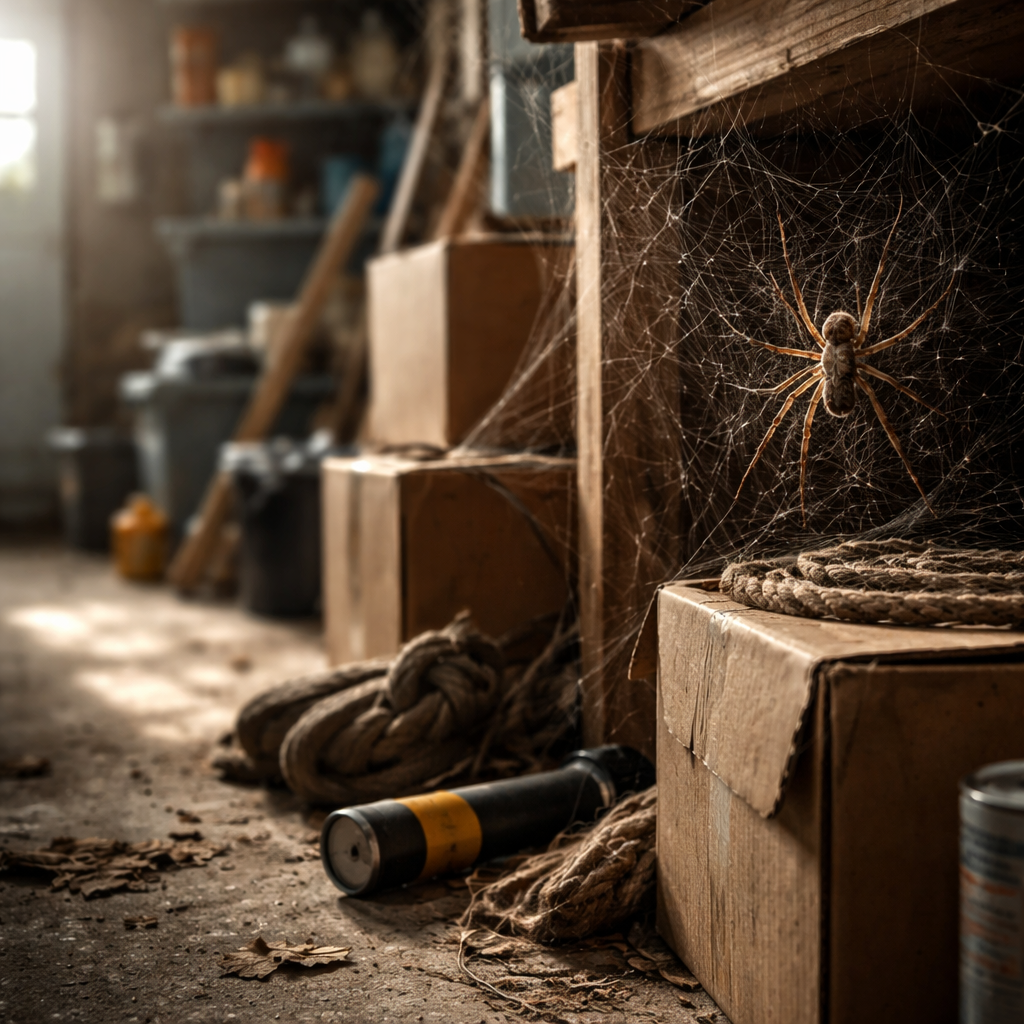
Most spiders in a garage are harmless — but that doesn’t mean you want them as permanent roommates. If you’re trying to figure out how to get rid of spiders in the garage, the honest answer is: it’s less about spraying chemicals and more about removing the conditions that attract them in the first place. Spiders don’t show up randomly. They follow food, moisture, and clutter — and garages tend to offer all three.
Why Your Garage Is a Spider Magnet
Before reaching for a can of pesticide, it helps to understand what’s drawing spiders in. Garages are typically dark, rarely disturbed, and full of corners, boxes, and gaps — exactly the kind of environment where spiders thrive. Add to that the presence of insects attracted by outdoor lighting or food debris, and you’ve essentially built a self-sustaining spider ecosystem.
Common spider-friendly conditions in garages include:
- Piles of cardboard boxes, especially old ones stored on the floor
- Gaps around doors, windows, or utility pipes leading outside
- Outdoor lighting that draws flying insects (which spiders feed on)
- Firewood, garden tools, or seasonal items stored directly against walls
- Moisture from poor ventilation or a leaking pipe
Fixing these root causes does far more long-term good than any short-term spray treatment.
Start With a Thorough Cleanout
The single most effective thing you can do is reduce clutter. Spiders nest in undisturbed spaces — and a garage that rarely gets reorganized is a dream habitat. Pull everything away from walls, sweep out webs with a stiff broom or vacuum (including egg sacs, which look like small silky pouches), and dispose of the bag or canister contents immediately outside.
When storing items, switch from cardboard boxes to sealed plastic bins. Cardboard absorbs moisture, breaks down over time, and gives spiders easy access. Plastic bins with tight lids eliminate that entry point entirely.
A vacuum is one of the most underrated spider control tools — it removes spiders, webs, and egg sacs instantly without leaving chemical residue on surfaces you touch every day.
Seal Entry Points Before Doing Anything Else
If spiders can freely walk in from outside, no amount of interior treatment will produce lasting results. Walk around the perimeter of your garage and look for gaps at ground level, around the garage door frame, along window edges, and where pipes or cables enter the wall. Even small cracks are enough for most spider species.
Use weatherstripping along the bottom and sides of the garage door, and fill wall gaps with caulk or expandable foam sealant. This one step dramatically reduces the number of spiders — and other insects — that can enter.
Natural Deterrents That Actually Work
Several natural spider repellents have genuine evidence behind them, not just folk wisdom.
| Repellent | How to Use It | Effectiveness |
|---|---|---|
| Peppermint oil | Mix 15–20 drops with water in a spray bottle, apply to corners and entry points | Good short-term deterrent; needs reapplication every 1–2 weeks |
| White vinegar | Diluted 50/50 with water, spray along baseboards and cracks | Moderate; mainly disrupts scent trails |
| Cedar | Cedar blocks or chips placed in storage areas | Mild; works better in enclosed spaces like bins or shelves |
| Diatomaceous earth | Dust lightly along baseboards and behind shelving | Strong physical barrier; kills insects and spiders on contact |
Diatomaceous earth (food-grade) deserves special mention — it’s a fine powder made from fossilized algae that damages the exoskeletons of insects and spiders, causing them to dehydrate. It’s non-toxic to humans and pets when used as directed, and it keeps working as long as it stays dry.
When to Consider Insecticide Sprays
If the population is large or you’re dealing with species like black widows or brown recluses — which do pose a genuine health risk — a residual insecticide spray applied around the perimeter, door frames, and corners can be warranted. Look for products containing deltamethrin, cypermethrin, or bifenthrin, which are commonly used for spider control in enclosed spaces.
Apply according to label instructions, ventilate the space well, and keep children and pets away until the treated surfaces are fully dry. Reapplication every few months is typically needed since residual effects wear off.
Insecticides target the symptom, not the cause. Use them as a reset, then follow up with habitat changes to prevent reinfestation.
Adjust Your Lighting
This one surprises a lot of people: spiders themselves aren’t attracted to light, but the insects they feed on are. Standard white or blue-toned bulbs outside your garage door draw moths, flies, and other flying insects — which in turn draw spiders. Switching to yellow-tinted LED bulbs or sodium vapor lights significantly reduces insect activity around the entrance, which indirectly makes the garage less appealing to spiders looking for an easy meal.
Building a Routine That Keeps Spiders Out for Good
One-time treatments rarely stick. What actually works long-term is building a simple maintenance habit:
- Sweep webs and inspect corners every month — don’t let new webs establish
- Check door seals and caulking seasonally, especially before autumn when spiders seek warmth indoors
- Reapply diatomaceous earth or peppermint spray every few weeks in active seasons
- Keep the garage floor clear — items stored directly on concrete give spiders easy hiding spots
- Reduce moisture by using a dehumidifier or improving ventilation if the space tends to be damp
The garage doesn’t need to be spotless — it just needs to be inhospitable. Remove the food source, block the entry points, reduce the hiding spots, and most spider species will relocate on their own. For the persistent ones, targeted treatment combined with these structural changes makes a genuine, lasting difference.
