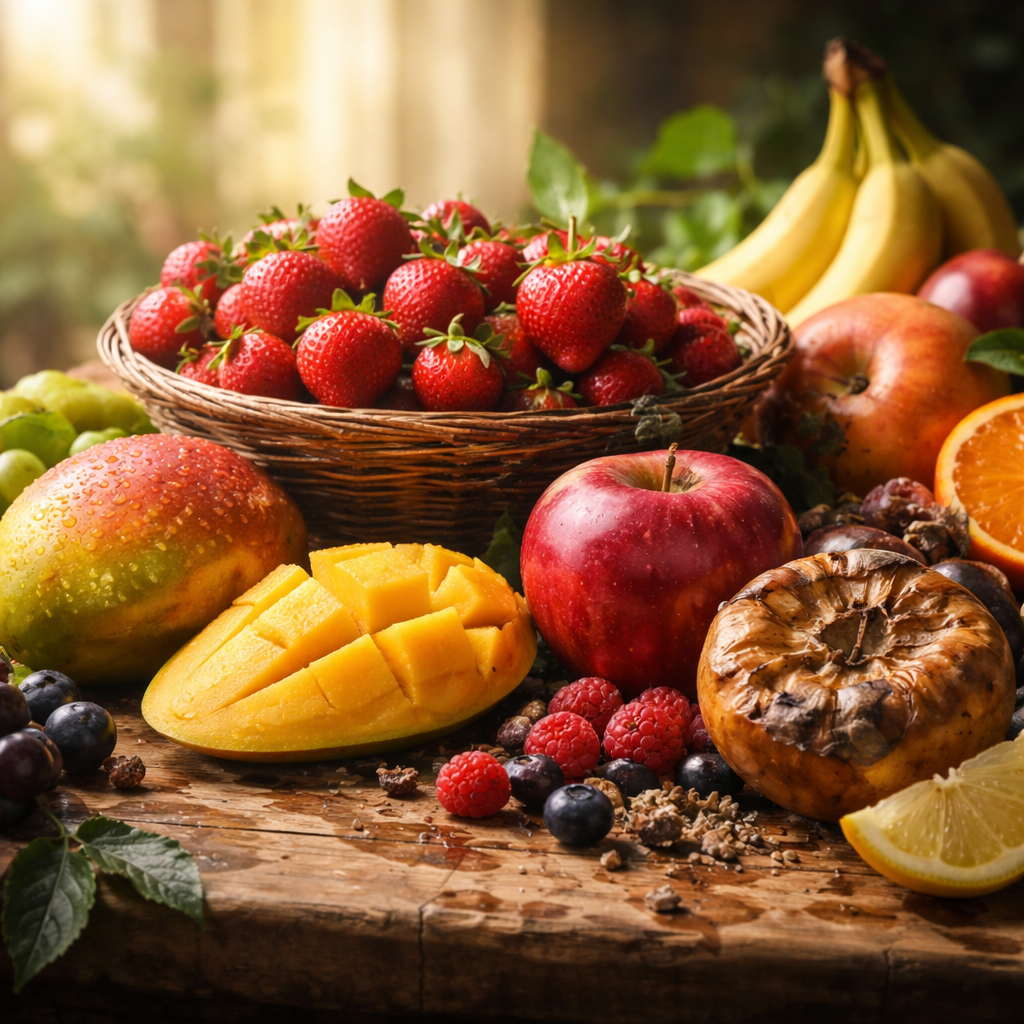
Most people wake up from a vivid dream involving ripe mangoes, a basket of strawberries, or a rotting apple and immediately wonder — what does dreaming about fruit mean, and is there anything worth paying attention to? The short answer is: it depends heavily on context, emotion, and the specific fruit involved. Dream imagery has been studied through both psychological and cultural lenses for centuries, and fruit consistently appears as one of the more symbolically rich categories in dream analysis.
Why fruit shows up in dreams more often than you’d think
Fruit is deeply embedded in human experience — it represents nourishment, reward, seasonal cycles, and even temptation. Think of how fruit appears across mythology, religious texts, and art. From the forbidden fruit in the Garden of Eden to the golden apples of Greek mythology, these symbols have layered meanings that our subconscious mind may draw from, even without us consciously recalling those stories.
Psychologists who work within the framework of Jungian analysis often point to fruit as an archetypal symbol of potential — something that grows, ripens, and eventually decays. This cycle mirrors human life stages, ambitions, and emotional states. That’s partly why fruit dreams can feel so charged with meaning, even when the dream itself seems mundane on the surface.
What the condition of the fruit typically signals
Before focusing on specific types of fruit, it’s useful to consider the state the fruit appears in within the dream. This single detail often changes the interpretation significantly.
- Ripe, fresh fruit — often associated with readiness, fulfillment, or an opportunity that is available right now
- Unripe fruit — may reflect impatience, premature action, or something that needs more time to develop
- Rotting or spoiled fruit — can suggest missed opportunities, neglected relationships, or unresolved issues
- Fruit you are eating — frequently linked to enjoyment, satisfaction, or absorbing something beneficial into your life
- Fruit you cannot reach — a common symbol of desire, frustration, or goals that feel just out of grasp
These aren’t rigid rules — dream interpretation is never a one-size-fits-all process. But recognizing the condition of the fruit is a good starting point before layering in other details.
Common fruits and their symbolic associations
Different fruits carry distinct symbolic weight, shaped by both universal associations and personal memories. Here’s a breakdown of the most commonly reported fruits in dreams and what researchers and analysts have noted about their possible meanings.
| Fruit | Common symbolic associations |
|---|---|
| Apple | Knowledge, temptation, health, decision-making |
| Grapes | Abundance, celebration, social connection, indulgence |
| Banana | Energy, humor, sensuality, spontaneity |
| Strawberry | Romance, desire, sweetness, emotional vulnerability |
| Orange | Vitality, optimism, transitions, clarity |
| Mango | Passion, exotic opportunity, warmth, abundance |
| Lemon | Sharpness, challenges, purification, honesty |
| Pear | Comfort, femininity, gentle growth, nurturing |
It’s worth noting that personal associations always override general symbolism. If strawberries remind you of a painful memory rather than romance, your dream is more likely drawing from that personal connection than from any universal symbol.
The emotional tone of the dream matters just as much
Dream researchers, including those working in the tradition of Calvin Hall’s cognitive theory of dreaming, emphasize that the emotional experience within a dream is often more diagnostically meaningful than the imagery itself. A dream about biting into a lemon might feel joyful and refreshing to one person and grimacing and unpleasant to another — and those two dreams carry very different messages.
Dreams are not puzzles to be solved, but reflections to be understood. The feeling you carry after waking often reveals more than any symbol guide can offer.
When you wake from a fruit dream, before reaching for an interpretation, ask yourself: How did I feel during the dream? Was there urgency, pleasure, sadness, confusion? Mapping your emotional response to the imagery gives you a much more personal and accurate reading of what your mind might be processing.
Recurring fruit dreams and what they might indicate
If you’re dreaming about fruit repeatedly — especially the same fruit or the same scenario — this repetition is generally considered significant. In sleep psychology, recurring dream themes are often connected to unresolved stress, ongoing decision-making, or a persistent emotional state that hasn’t been fully processed during waking hours.
For example, someone who repeatedly dreams of reaching for fruit they cannot grasp might be dealing with a prolonged sense of unfulfillment at work or in a relationship. Someone who dreams of harvesting abundant fruit over and over may be in a period of creative or professional flourishing and their dreaming mind is reflecting that satisfaction back to them.
Cultural perspectives that shape dream symbolism
It’s impossible to talk about dream symbolism without acknowledging that cultural background plays a substantial role. In many East Asian traditions, dreaming of ripe peaches is considered highly auspicious — connected to longevity and good fortune. In some Mediterranean cultures, figs in dreams are tied to prosperity and family. In contrast, certain Western interpretive traditions link figs to hidden desires or secret knowledge.
These cultural layers don’t cancel each other out — they enrich the interpretation. If you grew up in a household where pomegranates were served at celebrations, dreaming of pomegranates likely taps into memories of family, festivity, and belonging, regardless of what any general dream dictionary might say.
When fruit dreams connect to real-life appetite and health
There’s also a straightforward, physiological angle worth mentioning. Sometimes dreaming about fruit — particularly sweet, juicy varieties — is simply your body’s way of responding to hunger, thirst, or blood sugar fluctuations during sleep. If you regularly dream about eating fruit and wake up hungry, the explanation may be less symbolic and more biological.
Similarly, during periods of dietary change or when someone is craving specific nutrients, food imagery in dreams can spike noticeably. This doesn’t mean the dream carries no deeper meaning, but it’s a useful reminder that not every fruit dream requires deep psychological excavation.
How to actually use a fruit dream once you’ve had one
Rather than trying to decode a dream like a code that has one correct answer, it’s more productive to use it as a prompt for reflection. Ask yourself a few open-ended questions after a vivid fruit dream:
- Is there an area of my life that feels like it’s ripening — or overripe and past its moment?
- Am I chasing something I feel I can’t quite reach right now?
- Have I been neglecting something — a relationship, a project, a personal goal — that might be symbolized by decay?
- Does the specific fruit hold any personal memory or association worth exploring?
These questions won’t give you a definitive answer, but they can open up genuine insight. Dreams about fruit, like most dream content, are best understood as mirrors — not prophecies, not warnings, and not random noise. They tend to reflect something already present in your inner world, waiting to be noticed.
