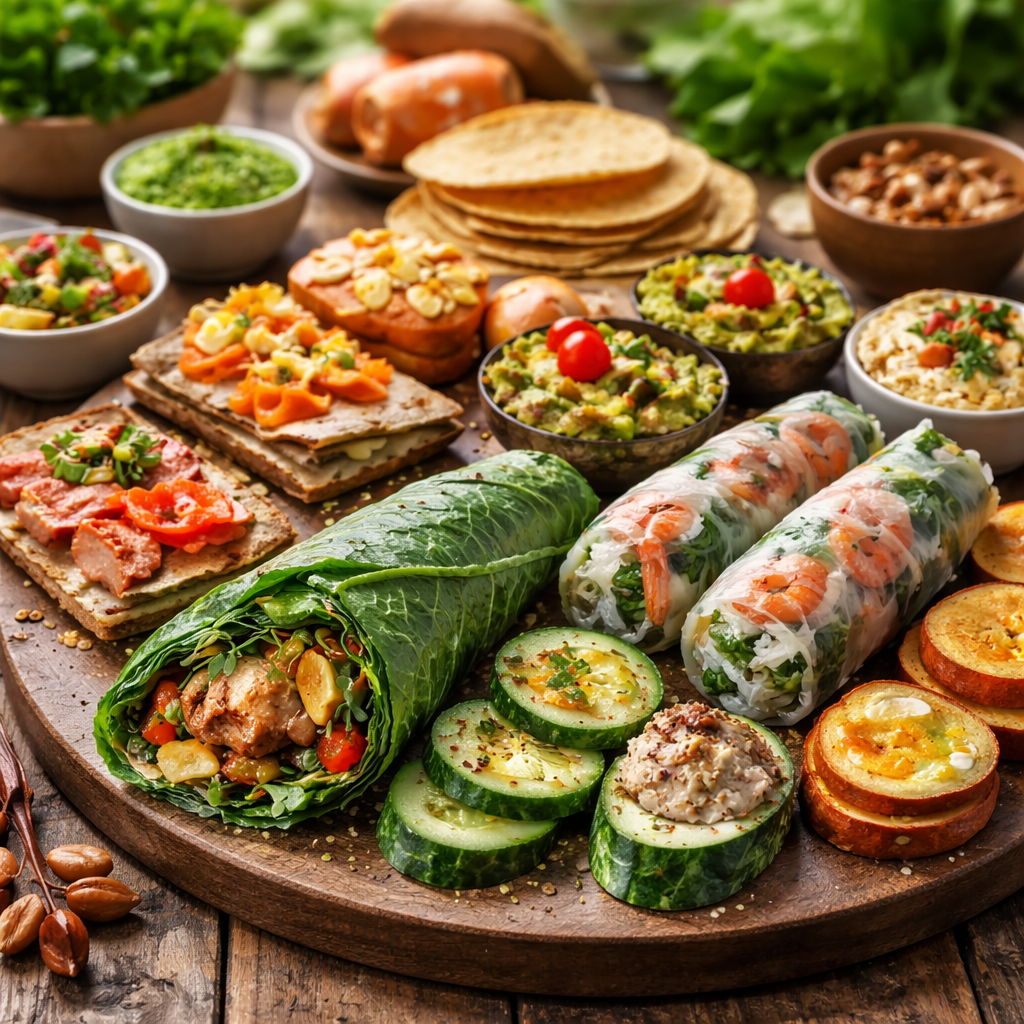
Most people reach for bread out of habit, not necessity — and once you start exploring what works as an alternative to bread, you quickly realize the options are far more interesting than you’d expect. Whether you’re cutting carbs, dealing with a gluten intolerance, or simply tired of the same old sandwich routine, there’s a surprisingly wide world of substitutes that hold up just as well in practice.
Why People Start Looking Beyond the Loaf
The reasons vary widely. Some people are managing blood sugar levels and need lower-glycemic options. Others follow a low-carb or ketogenic diet and can’t fit regular wheat bread into their daily intake. There’s also a growing number of people with celiac disease or non-celiac gluten sensitivity who need to avoid wheat altogether. And then there are those who simply want to diversify their diet and try something new.
Whatever the reason, the good news is that cutting back on traditional bread doesn’t mean giving up on satisfying, filling meals. It just means rethinking what holds everything together.
Whole Food Wraps That Actually Work
One of the simplest and most underrated swaps is using large leafy greens as a wrap. Romaine lettuce, collard greens, and butter lettuce leaves are sturdy enough to hold fillings without falling apart — especially when used doubled up. Collard greens in particular are thick and flexible, making them ideal for burrito-style wraps.
Rice paper sheets, commonly used in Vietnamese cuisine, are another practical option. They’re light, low in calories, and work beautifully with cold fillings like shrimp, vegetables, and fresh herbs. The trick is soaking them just long enough — about 10 to 15 seconds in warm water — so they’re pliable without becoming too sticky.
A collard green wrap filled with hummus, roasted vegetables, and feta holds together better than most store-bought tortillas — and it adds actual nutritional value instead of just empty starch.
Grain-Based Alternatives Worth Keeping on Hand
Not everyone wants to go completely grain-free, and that’s perfectly reasonable. There are plenty of grain-based options that offer more nutritional value than standard white or even whole wheat bread.
| Option | Main Benefit | Best Used For |
|---|---|---|
| Rye crispbread | High fiber, low GI | Open-faced sandwiches, snacks |
| Corn tortillas | Gluten-free, light | Tacos, wraps |
| Oat-based flatbread | Rich in beta-glucan | Dipping, light toppings |
| Brown rice cakes | Neutral flavor, versatile | Spreads, avocado, nut butter |
Rye crispbread deserves special mention here. It’s dense, genuinely filling, and has a much lower glycemic index than regular bread. Scandinavian countries have relied on it for centuries, and it pairs well with almost any topping — from smoked salmon and cream cheese to sliced turkey and mustard.
Protein-Rich Options for a More Filling Result
If your main goal is staying full longer, shifting toward protein-based bread alternatives makes a lot of sense. Egg-based “clouds” or egg wraps — made simply by whisking eggs and cooking them flat in a pan — have become popular for a reason. They’re quick, naturally gluten-free, and pair well with both savory and slightly sweet fillings.
Cheese crisps, often made from baked or pan-fried parmesan or cheddar, can act as a crunchy base for small open-faced snacks. They’re especially useful on a ketogenic diet where both carbs and hunger need managing at the same time.
Vegetable Slices as a Surprisingly Solid Base
Thick slices of cucumber, zucchini, or sweet potato can serve as the base for open-faced snacks and mini bites. Cucumber rounds work well with cream cheese and smoked fish. Roasted sweet potato rounds make an excellent foundation for pulled meat or avocado-based toppings.
Portobello mushroom caps are worth singling out here — they’re large, meaty, and absorb flavors well. When roasted or grilled, they function almost like a bun, especially for burgers. The texture is firm enough to hold up, and they add an earthy depth that actually complements the filling rather than competing with it.
- Cucumber slices — best for cold, fresh toppings
- Sweet potato rounds — pair well with warm, hearty fillings
- Zucchini planks — ideal for grilled or roasted combinations
- Portobello caps — the most burger-friendly option in this category
What to Keep in Mind When Switching
Switching away from bread doesn’t have to be an all-or-nothing decision. Many people find it works best to replace bread in specific meals — lunch wraps, for example — while keeping it in others where it genuinely adds value. The goal isn’t restriction for its own sake; it’s finding what actually makes you feel better and keeps meals interesting.
It’s also worth paying attention to what you’re pairing with these alternatives. A lettuce wrap loaded with processed deli meat and bottled sauce isn’t necessarily healthier than a slice of whole grain bread with real ingredients. The quality of everything on the plate matters, not just the base.
The Options Are Better Than the Reputation
Bread alternatives used to feel like a compromise — something you settled for rather than chose. That perception has shifted considerably, and for good reason. The range of genuinely satisfying, nutritious, and versatile substitutes available now makes the transition far easier than it once was. Whether you’re working with whole foods from your kitchen or exploring options at the grocery store, there’s no shortage of ways to build a great meal without a single slice of bread in sight.
