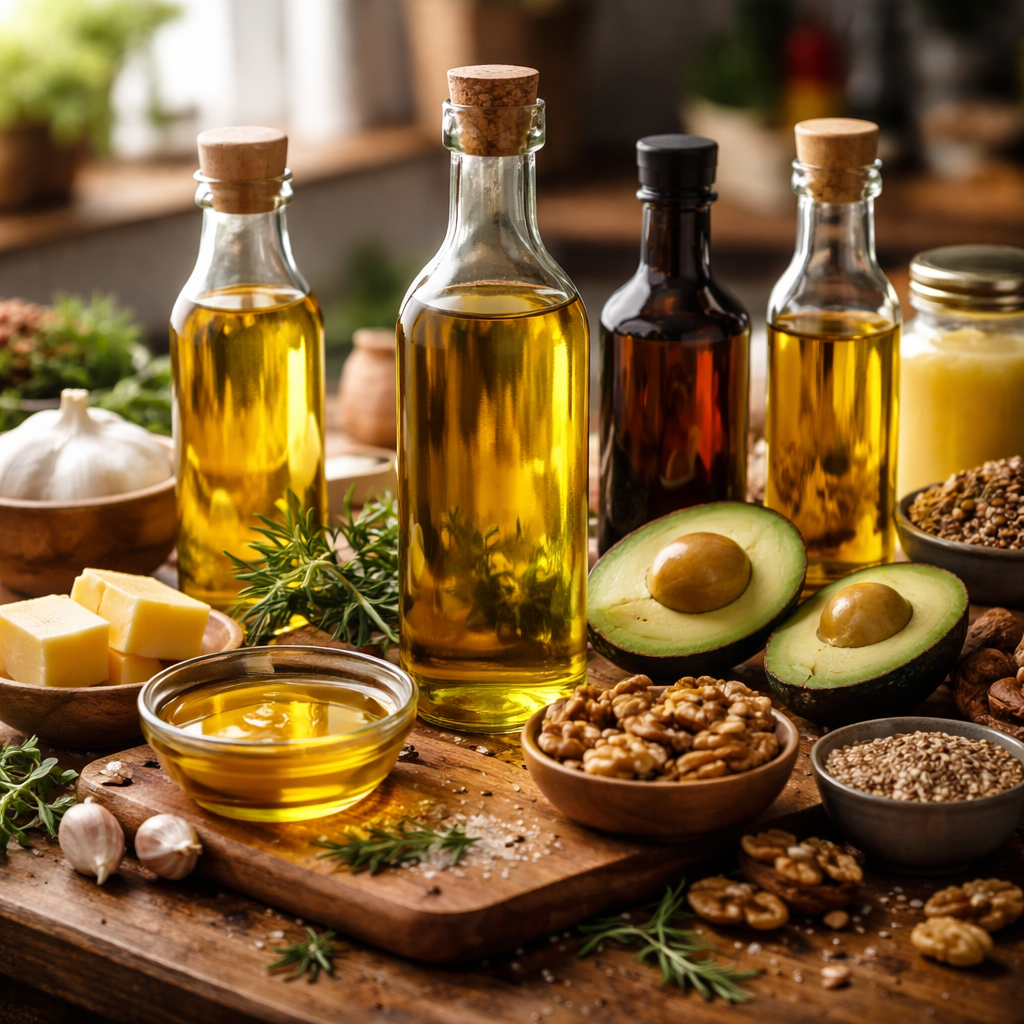
Running out of olive oil mid-recipe is frustrating — but it might actually push you toward discovering oils and fats that work even better for certain dishes. Finding a reliable alternative to olive oil depends on what you need it for: high-heat cooking, salad dressings, baking, or simply a different flavor profile.
Why the Substitute Matters More Than You Think
Not all oils behave the same way in the kitchen. Smoke point, flavor, fat composition, and texture all play a role in how a dish turns out. Olive oil has a relatively moderate smoke point and a distinctive taste — both of which can be a limitation depending on what you’re cooking. Understanding what makes oils different helps you pick the right one instead of just grabbing whatever is closest.
The good news is that several common kitchen fats can step in without compromising your meal — and some actually outperform olive oil in specific scenarios.
Best Substitutes by Cooking Method
The most practical way to approach this is by thinking about how you cook, not just what you cook.
| Cooking Method | Best Substitute | Why It Works |
|---|---|---|
| High-heat frying | Avocado oil | Smoke point up to 270°C, neutral flavor |
| Sautéing vegetables | Sunflower oil | Light taste, widely available, affordable |
| Baking | Melted coconut oil or butter | Adds moisture and mild richness |
| Salad dressings | Flaxseed oil or walnut oil | Nutty depth, high in omega-3 fatty acids |
| Roasting | Grapeseed oil | Clean taste, handles oven temperatures well |
Avocado Oil: The Closest Match for Everyday Cooking
Among all plant-based oils, avocado oil comes closest to matching olive oil’s nutritional profile. It’s rich in monounsaturated fats, specifically oleic acid, which is the same compound that makes olive oil heart-friendly. The key difference is its higher smoke point, which makes it more versatile for hot cooking without producing harmful compounds.
Its flavor is mild and buttery — subtle enough not to interfere with other ingredients, yet present enough to feel satisfying. If you’re looking for a one-to-one swap that requires no recipe adjustments, avocado oil is the most seamless option.
Avocado oil has one of the highest smoke points among unrefined plant oils — around 250–270°C — making it suitable for searing, stir-frying, and even grilling.
Butter and Ghee: When Fat Is the Point
In many cuisines, butter isn’t just a cooking fat — it’s a flavor base. When a recipe calls for olive oil to sauté aromatics or finish a sauce, unsalted butter or ghee can produce a noticeably richer result. Ghee, which is clarified butter with the milk solids removed, also has a higher smoke point than regular butter, making it practical for medium-high heat cooking.
These aren’t plant-based options, so they won’t suit every diet — but for those without dairy restrictions, they’re genuinely excellent alternatives that bring their own kind of depth to a dish.
A quick note on coconut oil
Coconut oil is often suggested as a substitute, and it does work well in baking and some Asian-inspired dishes where its sweetness fits naturally. However, it’s high in saturated fat and has a flavor that can be overpowering in savory cooking. Use it selectively rather than as a default swap.
Oils Worth Keeping in Your Pantry
Rather than relying on a single oil for everything, building a small collection gives you more flexibility:
- Grapeseed oil — light, neutral, and great for vinaigrettes and medium-heat cooking
- Walnut oil — best used cold or added at the end of cooking to preserve its delicate flavor
- Flaxseed oil — never heat it; it’s strictly for cold applications and is exceptionally high in omega-3s
- Sesame oil — use toasted sesame oil as a finishing oil in Asian dishes, not for cooking
- Sunflower oil — a practical, budget-friendly option for everyday frying and roasting
Each of these has a clear role. The mistake most people make is treating all cooking oils as interchangeable — they’re not, and knowing the difference actually makes cooking easier, not more complicated.
What to Consider When Choosing
Before reaching for a substitute, ask yourself a few quick questions:
- Is flavor important in this dish, or should the oil stay in the background?
- What temperature will you be cooking at?
- Are there any dietary needs to consider — vegan, dairy-free, nut-free?
- Do you want a similar nutritional profile, particularly regarding heart-healthy fats?
These aren’t complicated questions, but they narrow down your options quickly and prevent disappointing results.
The Oil You Choose Can Actually Improve the Dish
There’s something worth sitting with here: olive oil isn’t always the best choice, even when you have it. Roasting potatoes in avocado oil produces a crispier exterior. Finishing a risotto with a good unsalted butter creates a silkier texture. Drizzling walnut oil over a beet salad adds a layer of complexity that olive oil simply doesn’t bring.
Thinking of substitutes not as compromises but as opportunities tends to make you a more adaptable and creative cook. Once you understand what each fat contributes — flavor, moisture, richness, or heat tolerance — you stop seeing any single oil as irreplaceable.
