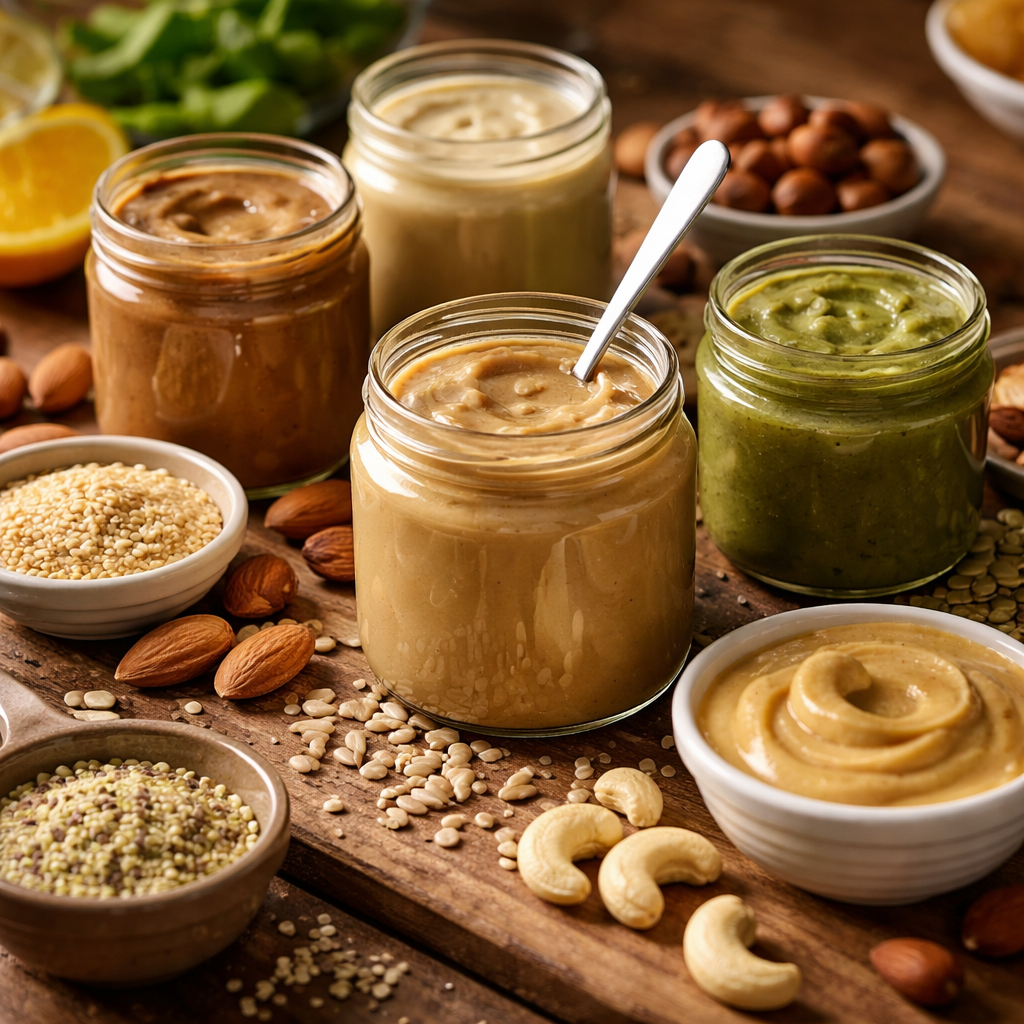
Most people reach for a jar of peanut butter without thinking twice — but what if that jar runs out, or simply isn’t an option anymore? Whether you’re managing a nut allergy, following a specific diet, or just curious about what else is out there, finding a solid alternative to peanut butter opens up a surprisingly wide and delicious world of spreads and pastes.
Why People Look Beyond Peanut Butter
Peanut allergies are among the most common food allergies worldwide, affecting both children and adults. But allergies aren’t the only reason someone might switch. Dietary preferences like paleo or whole-food eating patterns, concerns about aflatoxins naturally present in peanuts, or simply flavor fatigue can all push people toward exploring other options. The good news is that the market — and your own kitchen — offers plenty of genuinely satisfying substitutes.
Seed-Based Spreads: Underrated and Incredibly Versatile
Seed butters have quietly become one of the most popular nut-free alternatives, and for good reason. They’re often richer in certain minerals than their nut-based counterparts and work beautifully in both sweet and savory recipes.
- Sunflower seed butter — mild, slightly earthy flavor; great for sandwiches and smoothies
- Tahini (sesame seed paste) — rich, slightly bitter, ideal for dressings, dips, and baking
- Pumpkin seed butter — deep, nutty flavor with a naturally green tint; high in magnesium and zinc
- Hemp seed butter — softer taste, high in omega-3 fatty acids
Sunflower seed butter in particular has a texture so close to peanut butter that many people use it as a 1:1 swap in recipes without noticing a significant difference in consistency. One thing worth knowing: sunflower butter can turn baked goods slightly green due to a reaction between chlorogenic acid in the seeds and baking soda. It’s harmless — just a bit unexpected if you’re not prepared for it.
Tahini is one of the oldest food pastes in recorded history, used across Middle Eastern and Mediterranean cuisines for thousands of years — long before peanut butter existed.
Tree Nut Butters: When Peanuts Are the Problem, Not Nuts in General
If the issue is specifically a peanut allergy (and not a broader tree nut allergy), there’s a whole category of spreads to explore. Peanuts are actually legumes, not true nuts, which means many people who react to peanuts can tolerate tree nut butters without any issue — though it’s always worth confirming this with a healthcare provider.
| Tree Nut Butter | Flavor Profile | Best Used For |
|---|---|---|
| Almond butter | Mild, slightly sweet | Toast, oatmeal, baking, smoothies |
| Cashew butter | Creamy, subtly sweet | Sauces, desserts, spreading |
| Walnut butter | Rich, slightly bitter | Savory dishes, crackers, salads |
| Hazelnut butter (unsweetened) | Deep, roasted | Baking, pairing with chocolate |
| Macadamia nut butter | Buttery, smooth | Toast, tropical recipes |
Almond butter is arguably the most widely used peanut butter substitute in everyday cooking. It has a comparable protein content, a pleasant mild flavor, and behaves similarly in recipes. Cashew butter, on the other hand, blends more seamlessly into sauces and soups because of its naturally smoother, creamier texture.
How to Choose the Right Substitute for Your Needs
The “best” alternative really depends on what you’re using it for. A spread for a child’s lunchbox has different requirements than an ingredient in a Thai peanut sauce or a protein-rich post-workout snack. Here’s a practical breakdown to help narrow it down:
- Sandwich spread → sunflower seed butter or almond butter
- Baking (cookies, bars) → cashew butter or sunflower seed butter
- Savory sauces and dressings → tahini or walnut butter
- Smoothies and shakes → hemp seed butter or almond butter
- School-safe (allergy-friendly) → sunflower seed butter or pumpkin seed butter
Reading ingredient labels matters a lot here. Many commercial nut and seed butters contain added sugars, palm oil, and excess salt — ingredients that may undermine the nutritional benefits you’re switching for in the first place. The shorter the ingredient list, the better.
Making Your Own: Simpler Than You Think
Homemade nut and seed butters require nothing more than a food processor, your chosen ingredient, and about ten minutes of patience. Roasting the seeds or nuts beforehand deepens the flavor significantly. A pinch of salt and a drizzle of neutral oil can help achieve the right consistency if the mixture seems too thick.
The process is straightforward: blend until the mixture goes through a crumbly stage, then continues into a thick paste, and finally loosens into a smooth, spreadable butter. It can take anywhere from 5 to 12 minutes depending on your machine and the ingredient. Store in an airtight jar in the refrigerator and use within two to three weeks.
There’s No Single Right Answer — and That’s the Point
Switching away from peanut butter doesn’t mean settling for less. In many cases, people discover flavors and nutritional profiles they actually prefer. Tahini brings a completely different dimension to cooking. Almond butter pairs beautifully with fruit and honey. Cashew butter transforms a simple pasta sauce into something unexpectedly rich. The variety available today — both in stores and homemade — makes it genuinely easy to find something that fits your lifestyle, your taste, and your health goals without compromise.
