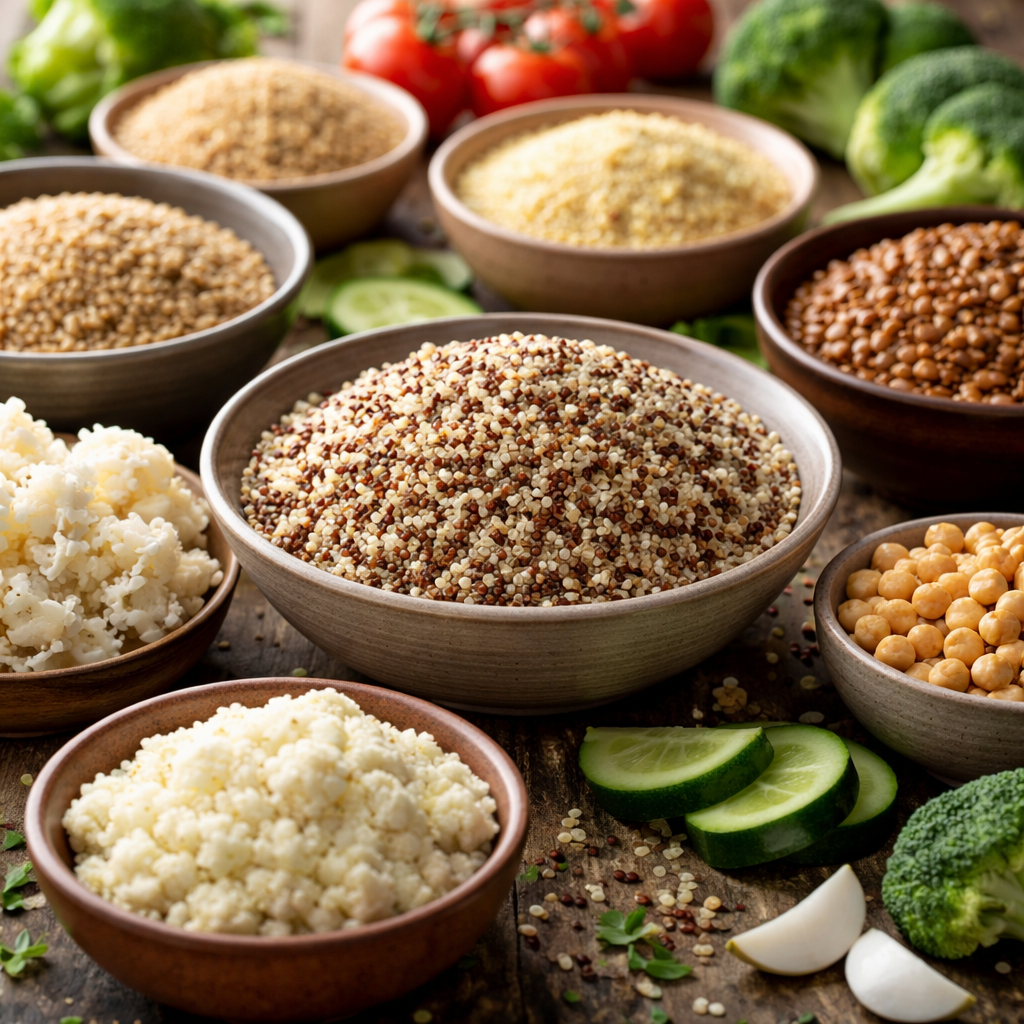
Most people reach for rice without thinking twice — it’s easy, filling, and familiar. But if you’ve ever felt stuck in a carb routine or simply want to eat more variety, looking for a solid alternative to rice might be one of the best decisions you make in the kitchen. The good news? There are options out there that are just as versatile, often more nutritious, and surprisingly satisfying.
Why People Start Looking Beyond Rice
Rice isn’t going anywhere — it feeds billions of people worldwide for good reason. But certain dietary goals, health conditions, or simple cooking fatigue push many people to explore what else can anchor a meal. Whether someone is managing blood sugar levels, trying to increase protein intake, reducing refined carbohydrates, or just tired of the same texture on their plate, the motivation to switch things up is completely valid.
The shift doesn’t have to be dramatic. Many rice substitutes work beautifully in stir-fries, grain bowls, curries, and salads — sometimes even better than the original ingredient.
Whole Grains That Deserve More Attention
Whole grains are probably the most natural bridge away from white rice. They offer a similar base for meals but bring more fiber, vitamins, and minerals to the table.
- Quinoa — technically a seed, but cooked and eaten like a grain. It contains all nine essential amino acids, making it a complete protein source. It cooks in about 15 minutes and has a slightly nutty taste.
- Farro — a chewy, hearty grain with an earthy flavor that holds up well in warm salads and soups. It’s rich in fiber and magnesium.
- Bulgur wheat — partially pre-cooked and dried, so it prepares quickly. A staple in Middle Eastern cuisine, it works well in grain bowls and as a side dish.
- Millet — gluten-free and mild in flavor, millet becomes fluffy when cooked and can easily absorb sauces and seasonings.
- Barley — one of the most fiber-dense grains available, with a satisfying chewy texture. Pearl barley cooks faster, while hulled barley retains more nutrients.
Switching from white rice to a whole grain like farro or quinoa can significantly increase your daily fiber intake without changing much about how you cook or eat.
Low-Carb Alternatives That Actually Work
For those watching carbohydrate intake, vegetable-based rice substitutes have become genuinely popular — and for good reason. They’re not just a compromise; when prepared properly, they can be delicious in their own right.
Cauliflower rice is probably the most well-known. Raw cauliflower is pulsed in a food processor until it reaches a rice-like texture, then briefly sautéed. It picks up flavors easily and pairs well with bold sauces. Broccoli can be processed the same way for a slightly more robust flavor.
Zucchini, while more commonly spiralized into noodles, can also be diced finely as a rice alternative. It has a mild taste and cooks very quickly. Another underrated option is chopped cabbage — lightly stir-fried, it provides a satisfying bulk with a pleasant crunch.
A Quick Comparison of Popular Rice Substitutes
| Substitute | Carbs (per 100g cooked) | Protein | Best Used In |
|---|---|---|---|
| Quinoa | ~21g | ~4g | Bowls, salads, stuffed vegetables |
| Cauliflower rice | ~5g | ~2g | Stir-fries, curries, fried rice |
| Farro | ~26g | ~4g | Warm salads, soups, side dishes |
| Millet | ~23g | ~3.5g | Side dishes, porridge, grain bowls |
| Bulgur wheat | ~19g | ~3.1g | Tabbouleh, stuffings, pilafs |
Legumes and Seeds as Unexpected Bases
Legumes don’t often come to mind as a rice replacement, but they can absolutely anchor a meal. Lentils cooked until just tender — not mushy — make a surprisingly satisfying base for roasted vegetables or a poached egg. They’re high in protein and iron, and they have enough body to replace the structural role that rice usually plays on a plate.
Chickpeas, either roasted for texture or simmered in a sauce, work similarly. They’re dense, filling, and nutritionally strong. In many North African and Middle Eastern dishes, chickpeas already serve this anchoring function.
Hemp seeds and sunflower seeds can be used as textural additions in smaller quantities rather than full replacements, but they add a noticeable nutritional boost when mixed into cauliflower rice or cooked millet.
How to Actually Make the Switch Without Frustration
The biggest mistake people make when switching from rice is trying to find a perfect one-to-one substitute for every dish. That rarely works, and the disappointment leads them straight back to the rice cooker. A better approach is to think about what role rice is playing in a particular dish — is it absorbing sauce? Providing bulk? Adding neutral flavor? — and then choose a substitute that serves that specific function.
- For sauce-heavy dishes like curry or stew: quinoa, millet, or cauliflower rice work well because they absorb liquid.
- For cold or room-temperature salads: farro, bulgur, or lentils hold their texture without becoming soggy.
- For fried rice-style cooking: cauliflower rice or a mix of diced vegetables mimics the technique closely.
- For meal prepping: cooked farro and quinoa store well in the fridge for up to five days without losing texture.
Starting with one substitute per week is a realistic strategy. It gives time to figure out what works in your cooking style without overhauling everything at once. After a few weeks, most people find two or three alternatives that genuinely fit their habits — and rice simply becomes one option among many rather than the default.
Finding What Works for Your Plate
There’s no single best substitute that works for everyone. Dietary needs, taste preferences, cooking time, and budget all play a role. Someone managing diabetes may prioritize low-glycemic options like cauliflower rice or lentils, while an athlete focused on performance might lean toward quinoa or farro for their protein and complex carbohydrate content.
The wider point is that eating well doesn’t require rigid substitution rules. It requires a bit of curiosity and a willingness to experiment without pressure. The grains, vegetables, and legumes covered here have been part of diets across many cultures for centuries — they’re not trends, they’re ingredients with real staying power. Getting to know them is simply a matter of giving them a fair chance on your plate.
