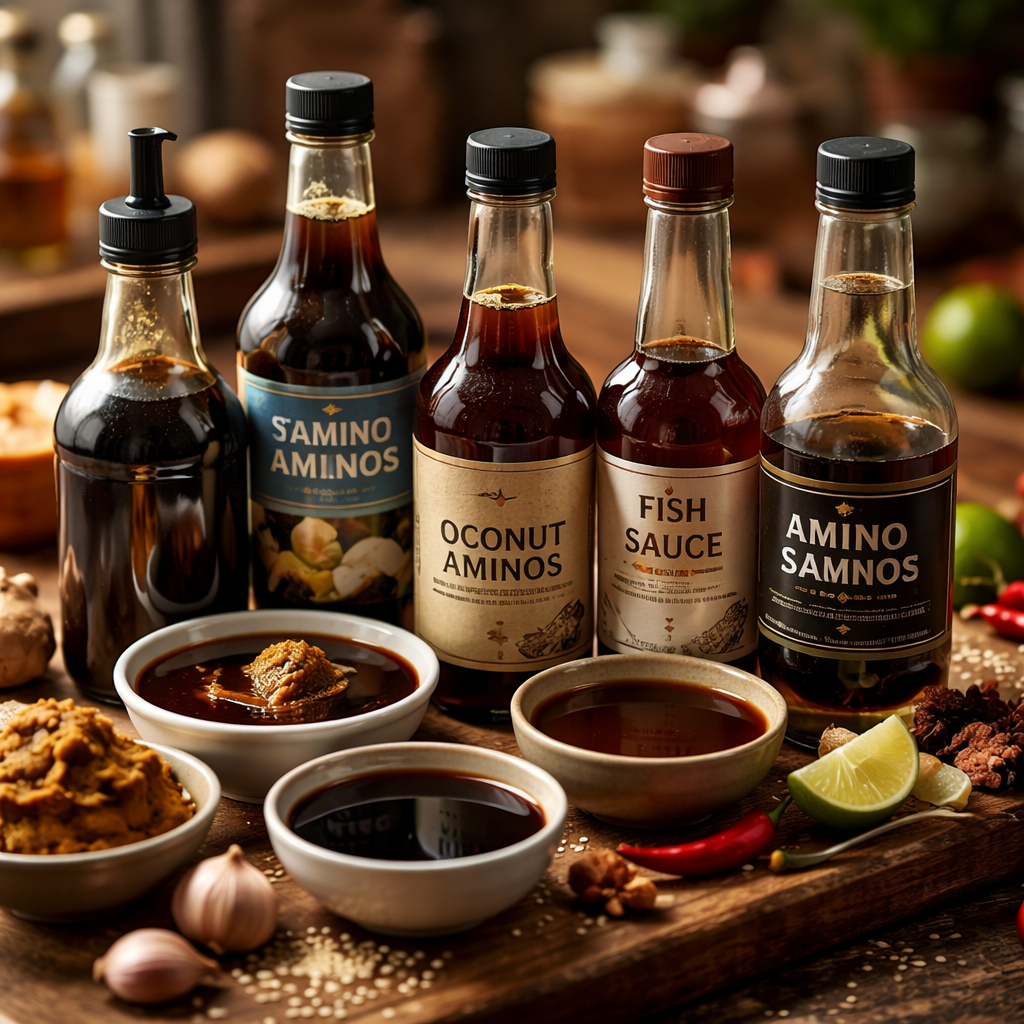
Running out of soy sauce mid-recipe is frustrating — but it turns out that finding a solid alternative to soy sauce can actually open up a whole new dimension of flavor in your cooking. Whether you’re avoiding soy due to allergies, following a gluten-free diet, or simply experimenting in the kitchen, there are plenty of substitutes that hold their own in marinades, stir-fries, dipping sauces, and beyond.
Why People Look for Soy Sauce Substitutes
Soy sauce is one of the most widely used condiments in the world, prized for its deep umami flavor, saltiness, and ability to enhance almost any savory dish. But it’s not for everyone. Some people have soy allergies, others react to gluten (since most traditional soy sauces contain wheat), and some are simply following a specific eating plan that excludes it.
Beyond dietary restrictions, there’s a practical angle too — not everyone keeps soy sauce stocked at home, and substitutes are often made from ingredients already sitting in your pantry. Understanding what makes soy sauce work — primarily salt, umami, and a hint of sweetness — helps you choose a replacement that won’t throw off your dish.
The Best Substitutes, Matched to How You Cook
Not every substitute works equally well in every context. A swap that’s perfect for a dipping sauce might fall flat in a slow-cooked braise. Here’s a breakdown of the most reliable options and where they shine:
| Substitute | Best Used In | Key Flavor Profile |
|---|---|---|
| Tamari | Stir-fries, marinades, dipping | Rich umami, slightly less salty |
| Coconut aminos | Dressings, dips, light sautés | Mildly sweet, lower sodium |
| Worcestershire sauce | Marinades, meat dishes, soups | Complex, tangy, umami-forward |
| Fish sauce | Asian dishes, soups, stir-fries | Intense, salty, pungent umami |
| Liquid aminos | All-purpose | Similar to soy, slightly milder |
| Miso paste (diluted) | Soups, glazes, dressings | Earthy, fermented, savory |
Tamari — The Closest Match
Tamari is a Japanese sauce made primarily from soybeans, with little to no wheat. Its flavor profile is very close to regular soy sauce — perhaps even richer and more rounded. Most tamari varieties are certified gluten-free, making it the go-to swap for people with gluten sensitivity who can still tolerate soy. Use it in a 1:1 ratio in any recipe.
Coconut Aminos — The Soy-Free Favorite
Made from the fermented sap of coconut blossoms, coconut aminos has become popular in paleo and Whole30 communities. It’s both soy-free and gluten-free, with a naturally sweeter taste and significantly lower sodium content. The sweetness means it works beautifully in salad dressings and light stir-fries, though in bold savory dishes you may want to add a pinch of salt to compensate.
Coconut aminos has about 90mg of sodium per teaspoon, compared to roughly 290mg in regular soy sauce — a meaningful difference if you’re watching your sodium intake.
Fish Sauce — When You Need Maximum Depth
Fish sauce is made from fermented fish and salt, and its umami intensity is remarkable. A small amount goes a long way. It works particularly well in Southeast Asian recipes, soups, and meat marinades. Keep in mind that it’s not suitable for vegetarians or vegans, and it has a much stronger smell than soy sauce — though the aroma mellows significantly during cooking.
Worcestershire Sauce — The Pantry Wildcard
Worcestershire sauce brings a more complex flavor to the table — tangy, slightly sweet, with fermented depth from ingredients like tamarind, anchovies, and vinegar. It works well in beef marinades, stews, and any dish where you’d want soy sauce to add background complexity rather than front-and-center saltiness. Use about half the amount called for and adjust to taste, since it’s not as salty as soy sauce.
One thing to note: traditional Worcestershire sauce contains anchovies, so it’s not vegan. Annie’s and several other brands offer vegan-friendly versions.
A Practical Guide to Ratios and Adjustments
Swapping sauces isn’t always a straight 1:1 exchange. Here are a few guidelines to help you adjust on the fly:
- Tamari and liquid aminos: use a 1:1 ratio with no adjustments needed.
- Coconut aminos: use 1:1 but consider adding a small pinch of salt, especially in savory dishes.
- Fish sauce: start with half the amount and build up — it’s much saltier and more intense.
- Worcestershire sauce: use about half to two-thirds of the called-for amount, then taste.
- Miso paste: dissolve 1 tablespoon in 1–2 tablespoons of water to replace 1 tablespoon of soy sauce.
These are starting points, not rules carved in stone. The best cook is the one who tastes as they go.
What About Homemade Options?
If you’re in a pinch and don’t have any of the above, a simple DIY soy sauce substitute can work for basic needs. A common approach is combining beef or vegetable broth with a small amount of balsamic vinegar, a touch of molasses, and salt. The result won’t replicate soy sauce exactly, but it delivers the same role in a recipe: savory, slightly sweet, and dark enough to add color to a dish.
Another option for umami depth without any sauce at all: a small spoonful of tomato paste or a few drops of liquid smoke stirred into your cooking liquid. Neither works as a complete swap, but combined with salt, they can rescue a dish when nothing else is available.
Making the Choice That Actually Fits Your Dish
The “best” substitute depends entirely on what you’re making and who’s eating it. If you’re cooking for someone with both soy and gluten sensitivities, coconut aminos is your safest bet. If the recipe needs that deep, fermented complexity and you’re cooking meat, fish sauce or Worcestershire might give you a better result than tamari. For everyday plant-based cooking, liquid aminos strikes a nice balance between accessibility and flavor accuracy.
The real insight here is that none of these substitutes are compromises — each one brings something distinct to the table. Trying them out is a surprisingly effective way to expand your flavor vocabulary and get more comfortable improvising in the kitchen. Once you’ve cooked the same stir-fry with tamari, then with coconut aminos, then with a splash of fish sauce, you start to understand exactly what role soy sauce was playing all along — and how many different ways that role can be filled.
