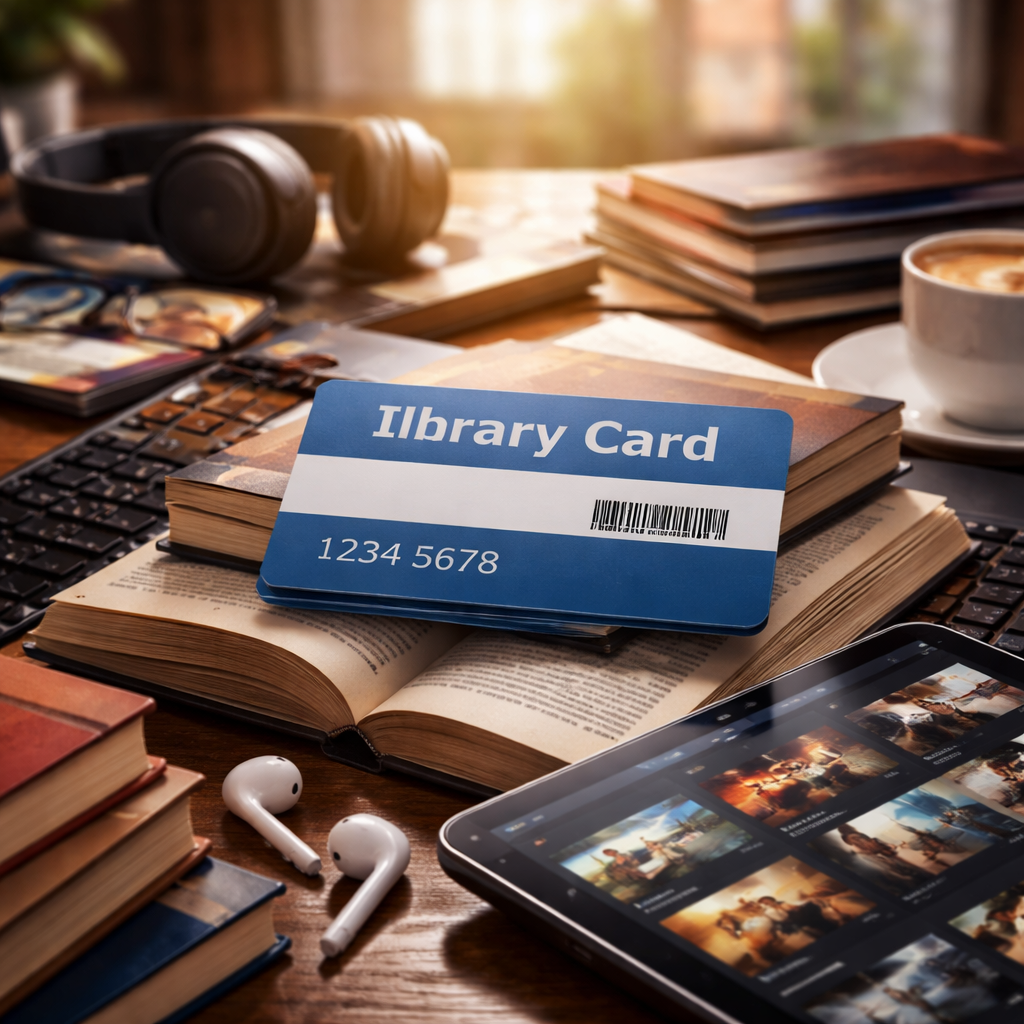
Most people are surprised to find out how to get a library card takes less than ten minutes — and in many cases, you don’t even need to leave your home to do it. Yet millions of people simply never bother, assuming the process is complicated or that libraries aren’t worth the hassle in the digital age. That assumption costs them access to thousands of free books, databases, streaming services, and community programs.
What you actually get with a library card
Before walking through the registration process, it’s worth understanding what a modern library membership actually unlocks. Public libraries today offer far more than physical books on shelves. A valid library card typically gives you access to:
- Physical and digital book loans, including e-books and audiobooks
- Free access to academic and research databases
- Streaming platforms for music and film (such as Hoopla or Kanopy, available through many libraries)
- Online language learning tools like Mango Languages or Rosetta Stone
- Free printing, scanning, and computer use at library branches
- Access to local history archives and genealogy resources
- Children’s and adult learning programs, workshops, and events
The scope of benefits varies by library system and location, but even the smallest public library typically provides more than most cardholders ever take advantage of.
Who can register and what documents you need
Library card eligibility rules differ depending on the country, state, or city you live in. In the United States, for example, most public libraries issue cards to anyone who lives, works, attends school, or owns property within their service area. Some library systems extend membership to all state residents, while others have more specific geographic requirements.
Generally speaking, to apply for a library card in person you’ll need to bring:
- A government-issued photo ID (driver’s license, passport, or national ID card)
- Proof of your current address if your ID shows a different one (a utility bill, bank statement, or lease agreement typically works)
- For minors: a parent or guardian’s signature and their own ID
Some libraries accept digital documents shown on a phone screen, while others may require printed copies. It’s always worth checking your library’s official website before your visit to avoid making an unnecessary second trip.
Step-by-step: registering in person
The in-person process is straightforward and usually takes under fifteen minutes from the moment you walk through the door.
- Go to the nearest public library branch during opening hours.
- Head to the main service desk or information desk and let staff know you’d like to register for a library card.
- Fill out a short registration form — either on paper or on a digital terminal, depending on the library.
- Present your ID and proof of address to the librarian.
- Receive your card immediately or, in some cases, within a few days by mail.
Librarians are genuinely there to help. Don’t hesitate to ask questions about what your card unlocks — most staff members are enthusiastic about matching people with resources they didn’t know existed.
Getting a library card online
Many library systems now offer instant digital membership with no in-person visit required. This option expanded significantly in recent years and is now standard in many large urban library networks.
To apply online, visit your local library system’s official website and look for a “Get a library card” or “Register” link, usually found in the main navigation menu or footer. You’ll typically fill in your name, address, date of birth, and contact information. Some systems verify your identity through address matching with public records, while others issue a temporary digital card instantly and ask you to verify your identity at a branch within a set timeframe.
| Registration method | Time required | Immediate access | Physical card issued |
|---|---|---|---|
| In person at a branch | 5–15 minutes | Yes (same day) | Yes |
| Online registration | 2–5 minutes | Often yes (digital card) | By mail or branch pickup |
| By mail | Varies | No | Yes, after processing |
Tips to make the most of your new card from day one
Once you have your card number and PIN, take a few minutes to explore what’s available before your next visit. Most library systems have an online catalog where you can search for books, place holds, and manage your loans from home. Setting up your online account right away saves time later and helps you stay on top of due dates.
A few things worth doing immediately after registration:
- Download your library’s app if one is available — many systems use apps like Libby or Overdrive for borrowing e-books and audiobooks
- Check what digital services are included in your membership; many libraries offer free access to tools people pay for elsewhere
- Sign up for email or text notifications to avoid late fees
- Ask about borrowing limits and loan periods so you can plan accordingly
What to do if your library card is lost or expired
Library cards typically need to be renewed every one to three years, depending on the library system’s policy. Renewal is usually as simple as visiting a branch with your ID or logging into your account online and confirming your contact details are still current.
If your card is lost or stolen, report it to your library as soon as possible. Most systems can suspend the old card and issue a replacement at no charge, though some may apply a small fee for a physical replacement card. Your borrowing history and holds are usually preserved and transferred to the new card automatically.
A free resource most people underestimate
It’s easy to overlook public library membership in an age of subscription services and instant digital downloads. But the honest comparison is striking: a single library card can replace or supplement several paid subscriptions at once — all at zero cost to you. Language learning platforms, audiobook services, magazine archives, and film libraries that individually cost money are bundled into what is essentially a free community benefit.
The barrier to entry is minimal, the process takes minutes, and the resources available through a library card are far broader than most people expect. If you’ve been putting it off, there’s genuinely no good reason to wait any longer.
