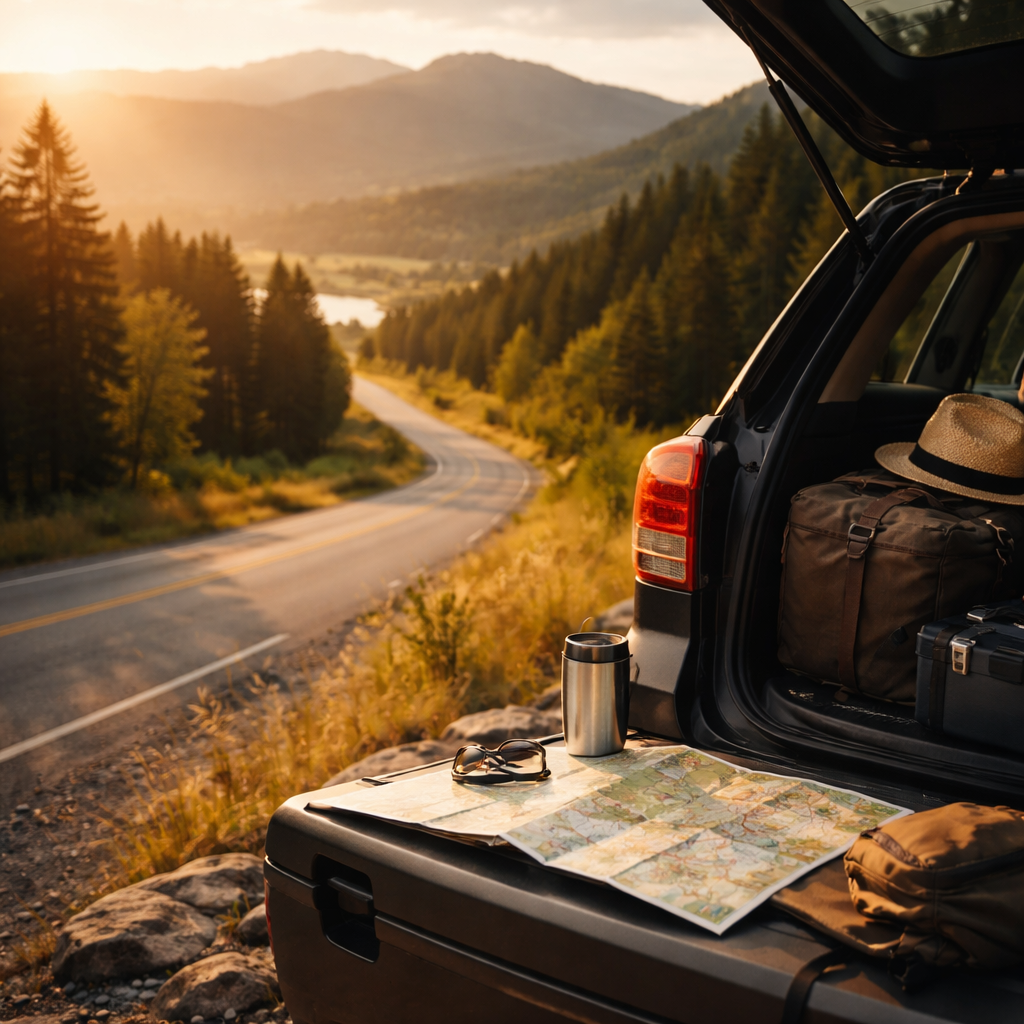
Most people underestimate how much a two-day escape can reset your perspective — and the best ideas for a weekend road trip rarely involve crossing state lines or booking months in advance. Sometimes all it takes is a full tank, a rough direction, and a willingness to stop wherever something looks interesting.
Start with a direction, not a destination
One of the biggest planning mistakes is treating a weekend drive like a flight itinerary. The beauty of road travel is flexibility. Instead of locking in a specific endpoint, choose a general compass direction and research what’s within a four-to-six-hour radius of your home. You’ll often discover places that don’t show up on top-ten lists — small towns with great local diners, scenic overlooks without parking chaos, or hiking trails that aren’t overrun on weekends.
That said, having a rough framework does help. Think about what kind of experience you’re after: nature and fresh air, cultural exploration, food tourism, or simply a change of scenery with minimal agenda. Each of these calls for a slightly different approach when choosing your route.
Types of road trips worth considering
Not every trip needs to look the same. Here are a few formats that work well within a 48-hour window:
- Scenic byway drive — follow a designated scenic route and plan stops along the way rather than rushing to a single point.
- Small-town circuit — pick two or three nearby small towns you’ve never explored, stay overnight in one of them, and walk around on foot.
- Nature immersion — center the trip around one natural landmark (a lake, canyon, forest, or coastline) and spend both days exploring it from different angles.
- Food-focused journey — map out local restaurants, farm markets, or regional specialties and build the route around meals. Yes, this is a real travel style.
- Historic detour — choose a region with significant history and visit museums, preserved sites, or landmarks that tell a layered story.
Mixing two of these approaches often produces the most satisfying trips — for example, combining a scenic byway with a stop in a historically rich small town gives you variety without overcomplicating the plan.
Practical logistics that make a real difference
Weekend road trips succeed or fall apart based on a handful of small decisions made before you leave the driveway. Here’s what actually matters:
| What to sort out | Why it matters |
|---|---|
| Accommodation booked in advance | Weekend availability in popular areas fills up fast, especially near national parks or coastal towns |
| Offline maps downloaded | Rural routes often have spotty signal — Google Maps and Maps.me both allow offline downloads |
| Car check before departure | Tire pressure, oil level, and fuel are worth five minutes of attention the evening before |
| Cash on hand | Small-town vendors, roadside stands, and some B&Bs still prefer or require cash |
| Flexible checkout/checkin times | Arriving earlier or leaving later can add several hours of exploration without extra cost |
One more thing worth noting: packing light genuinely changes the mood of a short trip. When you’re not dragging heavy luggage, you move faster, stop more spontaneously, and feel less committed to a fixed plan.
How to find places you’d otherwise never hear about
Travel apps and mainstream travel blogs have their place, but they tend to surface the same well-worn destinations. A few underused approaches actually work better for short trips:
Local Facebook groups, subreddits for specific regions, and even gas station employees often know about spots that have never been photographed for Instagram — and those are frequently the most memorable ones.
Atlas Obscura is worth bookmarking specifically for unusual and offbeat locations — it covers everything from quirky roadside attractions to genuinely obscure historical sites that happen to be an hour from major cities. The Outbound Collective focuses on outdoor adventures and tends to highlight trails and spots that haven’t reached peak popularity yet.
Asking locals once you arrive is still one of the most reliable methods. A question like “what’s one place nearby that most visitors skip?” tends to generate genuinely useful answers.
A few things worth bringing that most people forget
Packing for a road trip is different from packing for a flight — you have more space and the context changes constantly throughout the day. These tend to be the items people wish they had:
- A reusable insulated bag for food and drinks picked up along the way
- A portable phone charger — not for the car, but for when you’re walking around without access to outlets
- A physical notebook or a notes app specifically for writing down places and names you want to remember
- Comfortable shoes that work for both walking on pavement and short trails
- A basic first aid kit, especially if the route includes remote stretches
None of this is revolutionary, but forgetting any one of them at the wrong moment is genuinely annoying when you’re two hours from the nearest town.
The part of the trip that most people skip entirely
There’s something to be said for building in unplanned time — not a packed schedule with back-to-back stops, but genuine downtime where you’re sitting somewhere without an agenda. A bench in a small-town square, a lakeside spot where you stay longer than planned, or a coffee shop where you end up talking to someone interesting. These unscheduled moments tend to be what people actually remember from a trip, not the list of attractions they checked off.
Traveling by car gives you the unique ability to control your pace in a way that flying or taking a train simply doesn’t. Using that flexibility intentionally — rather than filling every hour — is arguably the biggest upgrade you can make to any short road trip.
Whether you go solo, with a partner, or with a group of friends, the common thread in memorable weekend drives is the same: a loose enough plan to leave room for the unexpected, and enough preparation to stay comfortable while it happens.
