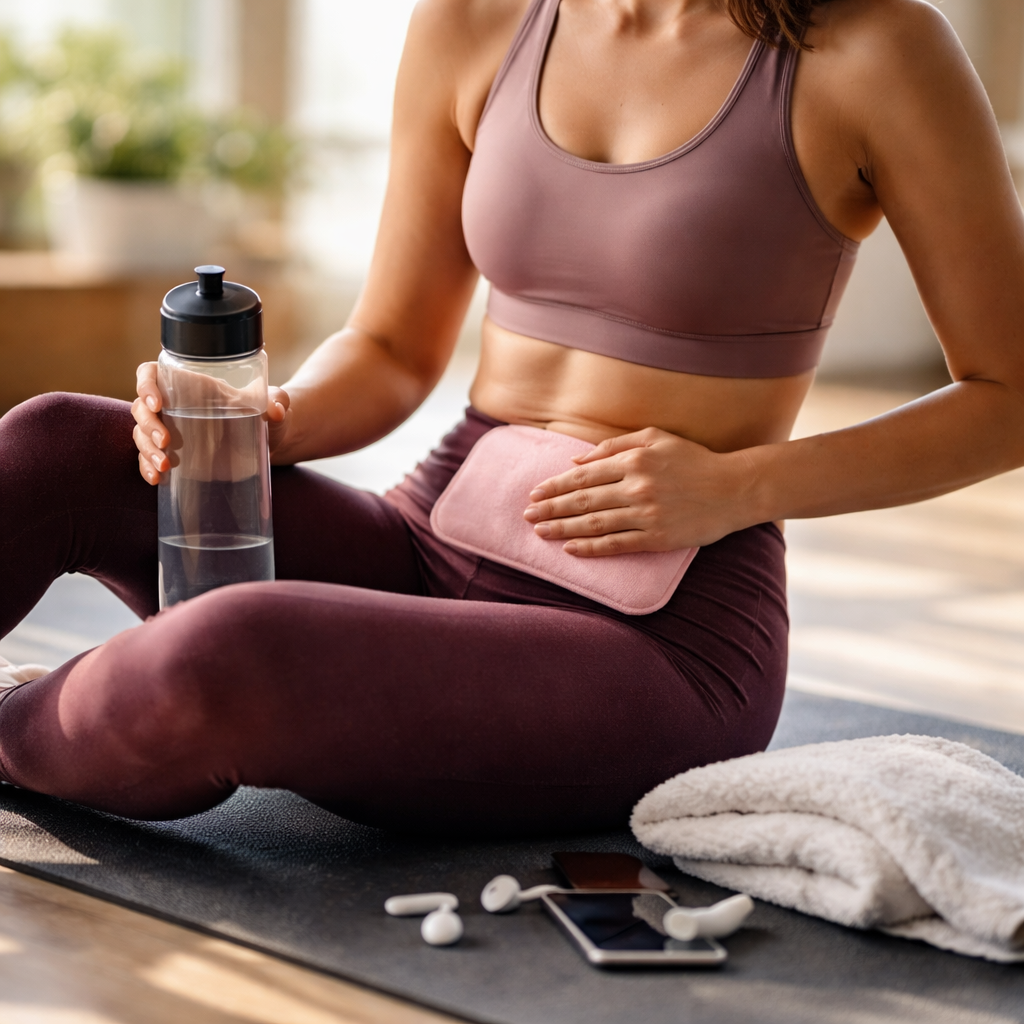
Many women wonder whether is it safe to exercise during a period — and the short answer, backed by sports medicine research, is yes. Not only is it generally safe, but in many cases it can actually make you feel better. That said, knowing how your body responds to physical activity at different points in your cycle helps you train smarter, not harder.
What actually happens to your body during menstruation
During the first days of your cycle, estrogen and progesterone levels drop to their lowest point. This hormonal shift is what triggers the uterine lining to shed — and it’s also what can cause fatigue, cramping, bloating, and low mood. Your energy reserves may feel depleted, and your core temperature can fluctuate slightly.
Despite these changes, your cardiovascular system and muscles remain fully functional. The discomfort you feel is real, but it doesn’t mean your body is physically incapable of movement. In fact, physical activity triggers the release of endorphins — natural pain-relief chemicals that can directly counteract menstrual cramps and improve your overall mood.
What the research actually says
Multiple studies in sports science and gynecology confirm that aerobic exercise during menstruation can reduce the severity of dysmenorrhea — the medical term for painful periods. A review published in the Journal of Education and Health Promotion found that regular physical activity significantly decreased menstrual pain compared to rest.
“Exercise is one of the most underused tools for managing menstrual symptoms. The evidence consistently shows benefit, not harm.” — Sports medicine consensus position on menstrual health
The key finding across most studies is this: light to moderate intensity exercise is consistently beneficial, while very high-intensity training may not be ideal on the heaviest flow days — not because it’s dangerous, but because your body may simply perform below its usual capacity.
Which types of exercise work best on period days
There’s no single rule that applies to every woman, but based on how menstrual physiology works, certain types of movement tend to feel better and deliver more benefit during this phase of the cycle.
- Walking and light cardio — increases blood flow, reduces bloating, and releases endorphins without overstressing the system
- Yoga and stretching — particularly poses that open the hips and lower back, which are common areas of period-related tension
- Swimming — the water pressure can temporarily reduce the sensation of cramps and bloating
- Low-impact strength training — maintaining muscle engagement without overloading joints that may feel more sensitive due to relaxin levels
- Pilates — core-focused movement that supports the pelvic floor and can ease lower abdominal discomfort
High-intensity interval training, heavy weightlifting, or competitive endurance events are not necessarily off-limits — many elite athletes compete and train through their periods without issue. But if you’re experiencing significant cramps or fatigue, pushing into maximum effort zones may feel counterproductive and harder to recover from.
Practical tips for exercising comfortably during your cycle
Logistics matter as much as motivation here. Small adjustments can make the difference between a workout that leaves you energized and one that just adds to your discomfort.
| Challenge | Practical solution |
|---|---|
| Cramping before or during exercise | Apply a warm compress to the lower abdomen 10–15 minutes before your session |
| Heavy flow and leakage anxiety | Use a menstrual cup or period underwear for high-movement activities |
| Low energy and fatigue | Shorten your session and reduce intensity — 20 minutes of movement still counts |
| Bloating and digestive discomfort | Avoid large meals 2 hours before exercise; prioritize hydration |
| Mood fluctuations | Choose activities you genuinely enjoy rather than ones that feel like obligation |
Hydration also plays a bigger role than most people realize. During menstruation, the body loses additional fluids, and even mild dehydration can amplify feelings of fatigue and worsen headaches. Drinking water consistently throughout the day — not just during your workout — makes a noticeable difference.
When to actually skip a workout
There’s a difference between pushing through discomfort and ignoring genuine warning signs. Exercise during menstruation is safe for most healthy women — but there are situations where rest is the right choice.
- You’re experiencing unusually heavy bleeding that goes beyond your typical pattern
- You have severe cramping that makes normal movement painful
- You feel dizzy, lightheaded, or nauseous before your session even begins
- You have an underlying condition such as endometriosis or fibroids that affects how you respond to physical exertion
If any of these apply regularly, it’s worth speaking with a gynecologist — not to be told to stop exercising, but to understand your specific cycle better and get guidance tailored to your health profile.
Your cycle as a training tool, not an obstacle
One of the most useful shifts in perspective is starting to see your menstrual cycle as a source of information rather than an inconvenience. The four phases — menstruation, the follicular phase, ovulation, and the luteal phase — each come with distinct hormonal environments that influence energy, strength, endurance, and recovery differently.
The menstrual phase, despite being the one most associated with discomfort, marks the beginning of rising estrogen. This means your energy will gradually build over the following days. Many women find that by day three or four of their period, they feel noticeably more capable and motivated to train.
Tracking your cycle alongside your workout performance — even informally — can help you notice these patterns. Over time, you stop fighting your biology and start working with it, which tends to produce better results both physically and mentally.
Movement during your period doesn’t have to be heroic or intense to be worthwhile. Even a short walk, a gentle yoga session, or some light stretching is enough to shift your body chemistry in a meaningful direction. The goal isn’t to pretend the period isn’t happening — it’s to find what feels genuinely supportive for your body on those specific days.
