Most people who ask is it safe to travel to Iceland in winter are surprised to find out that the country actually handles cold-season visitors remarkably well — from well-maintained roads to a tourism infrastructure built around harsh weather. That said, “safe” and “easy” are two different things, and knowing the difference matters before you book your flight.
What winter in Iceland actually looks like
Iceland in winter is not a postcard-perfect snowscape where everything is peaceful and still. It’s dynamic, sometimes dramatic, and occasionally unpredictable. Temperatures in coastal areas like Reykjavik hover around 0°C to -5°C, but wind chill can make it feel significantly colder. In the highlands and northern regions, conditions are harsher, and some roads become completely impassable from November through April.
Daylight hours are short — in December, Reykjavik gets roughly four to five hours of daylight. That affects how much you can realistically do in a single day, especially if you’re planning to drive long distances or explore remote areas on your own.
Road conditions and driving: the real risk factor
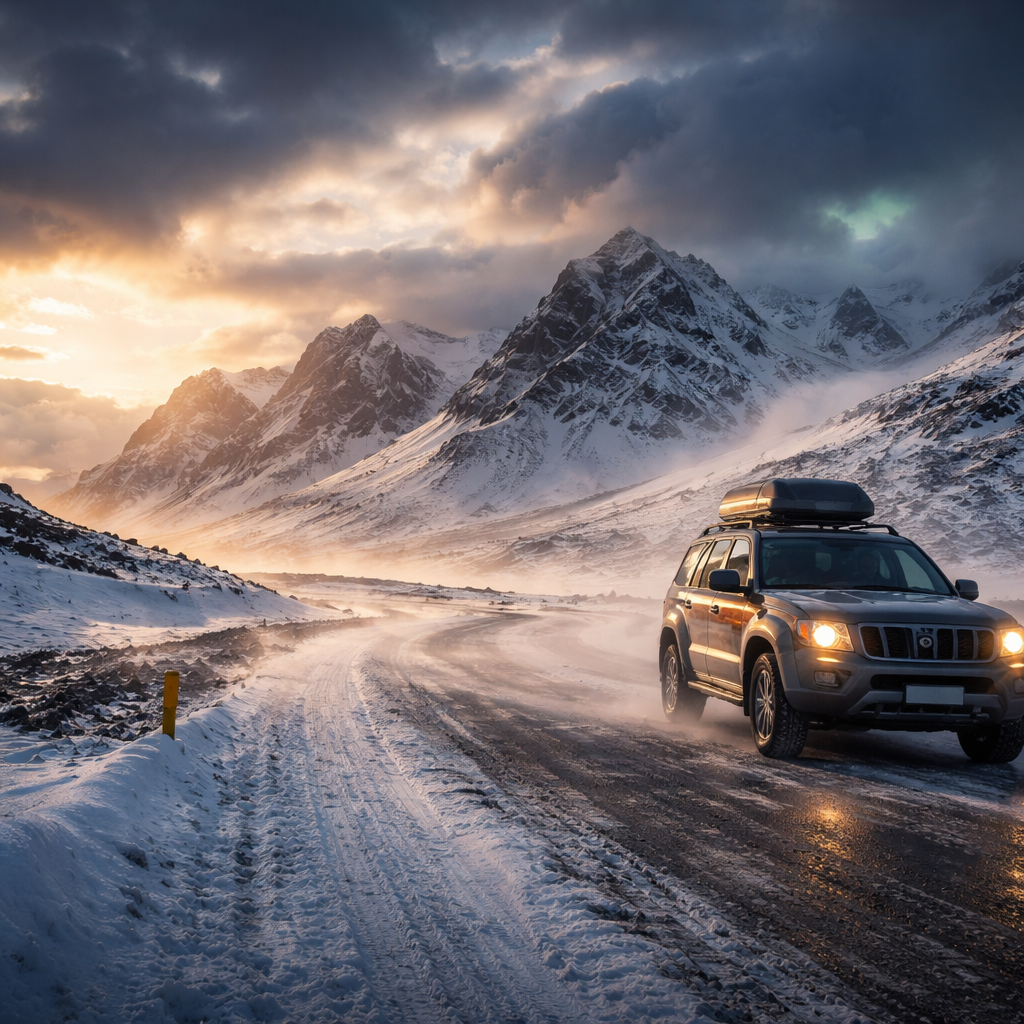
If there’s one area where winter Iceland demands genuine respect, it’s the roads. The Ring Road (Route 1) is generally kept open year-round and is regularly plowed, but secondary roads — especially F-roads into the interior — are closed in winter without exception. Even on main roads, black ice and sudden blizzards can turn a straightforward drive into a serious situation.
The Icelandic Road and Coastal Administration (Vegagerðin) provides real-time road condition updates at road.is — checking this site daily is not optional when driving in winter, it’s essential.
Practical steps before getting behind the wheel:
- Rent a 4WD vehicle — it’s not just recommended, it’s necessary for most winter routes outside the capital
- Check road.is every morning before departure
- Download the weather app from the Icelandic Meteorological Office (vedur.is)
- Never ignore road closure signs — locals don’t
- Carry an emergency kit: warm clothing, water, snacks, a torch, and a charged phone
Weather unpredictability and how to manage it
Icelandic weather is famously changeable. A morning that starts with blue skies can shift into a full storm by early afternoon. This isn’t exaggeration — it’s something seasoned travelers to the country experience regularly. Storms here can bring winds exceeding 100 km/h, and visibility can drop to near zero in minutes.
The good news is that Icelandic authorities take weather warnings seriously and communicate them clearly. The Met Office issues color-coded alerts (green, yellow, orange, red), and when orange or red warnings are active, the practical advice is straightforward: stay indoors, delay travel, and wait it out. Tourists who ignore these warnings do occasionally get into trouble — not because Iceland is uniquely dangerous, but because the weather simply doesn’t negotiate.
| Alert Level | Meaning | Recommended Action |
|---|---|---|
| Green | Normal conditions | Travel as planned |
| Yellow | Potentially hazardous | Stay informed, drive carefully |
| Orange | Hazardous conditions likely | Reconsider non-essential travel |
| Red | Dangerous, severe weather | Avoid all travel |
What makes winter Iceland worth the effort
Here’s the other side of the conversation: winter in Iceland offers experiences that simply don’t exist in summer. The northern lights — aurora borealis — are only visible in darkness, which means the long winter nights are actually an advantage. The best conditions for aurora viewing are clear skies, low light pollution, and strong solar activity, all of which can align perfectly between September and March.
Ice caves inside Vatnajökull glacier are another winter-only attraction. These naturally formed caves are only accessible and structurally stable enough for guided tours during the colder months. The same applies to certain glacier hikes and snowmobile tours that operate exclusively on frozen terrain.
Winter also means significantly fewer tourists. Popular spots like Seljalandsfoss waterfall or the Golden Circle feel completely different when you’re not sharing them with summer crowds.
Health and physical preparedness
Frostbite and hypothermia are real risks if you’re underdressed and caught in bad conditions, but they’re almost entirely preventable with proper gear. Layering is the key principle — moisture-wicking base layers, insulating mid-layers, and a windproof and waterproof outer shell. Cotton is the one material to avoid, as it retains moisture and loses insulating properties when wet.
Footwear matters more than many first-time winter travelers expect. Waterproof boots with good grip are essential — pavements and paths can be icy, and the terrain outside urban areas is often uneven. Yaktrax or similar strap-on ice grips are inexpensive and genuinely useful.
Guided tours versus independent travel in winter
For first-time visitors, joining guided tours for at least some activities significantly reduces risk. Local guides know current conditions, have proper equipment, and are trained in emergency procedures. This is especially relevant for glacier hikes, ice cave visits, and any multi-day winter trekking.
Independent winter road trips are absolutely doable, but they require more planning, better equipment, and a willingness to change plans when conditions demand it. The travelers who run into trouble in Icelandic winters are rarely those who were unlucky — they’re usually those who underestimated the environment or overestimated their vehicle’s capabilities.
Practical tips before you go
- Book accommodation in advance — winter options outside Reykjavik can be limited
- Get travel insurance that explicitly covers winter outdoor activities and potential trip delays due to weather
- Inform someone of your route and expected return time when driving remotely
- Keep your phone charged and carry a portable power bank
- Don’t plan overly tight itineraries — flexibility is not a luxury, it’s a safety buffer
- Register your trip with safetravel.is, a free service run by Icelandic Search and Rescue
Iceland in winter rewards those who come prepared
Iceland doesn’t punish adventurous travelers — it just requires that they show up ready. The infrastructure is solid, the locals are experienced with visitors in all conditions, and the emergency services are well-organized. What the country asks in return is basic respect for its weather and terrain. Come with the right gear, stay informed, and be willing to adjust your plans. Do that, and winter Iceland is not only safe — it’s one of the most memorable travel experiences available anywhere in the world.
