Every year, thousands of home fires are linked directly to fireplace mishaps — and one of the most overlooked factors is the absence of a protective screen. So when people ask is it safe to use a fireplace without a screen, the honest answer is: it carries real, measurable risks that most homeowners tend to underestimate until something goes wrong.
What actually happens when there’s no screen in place
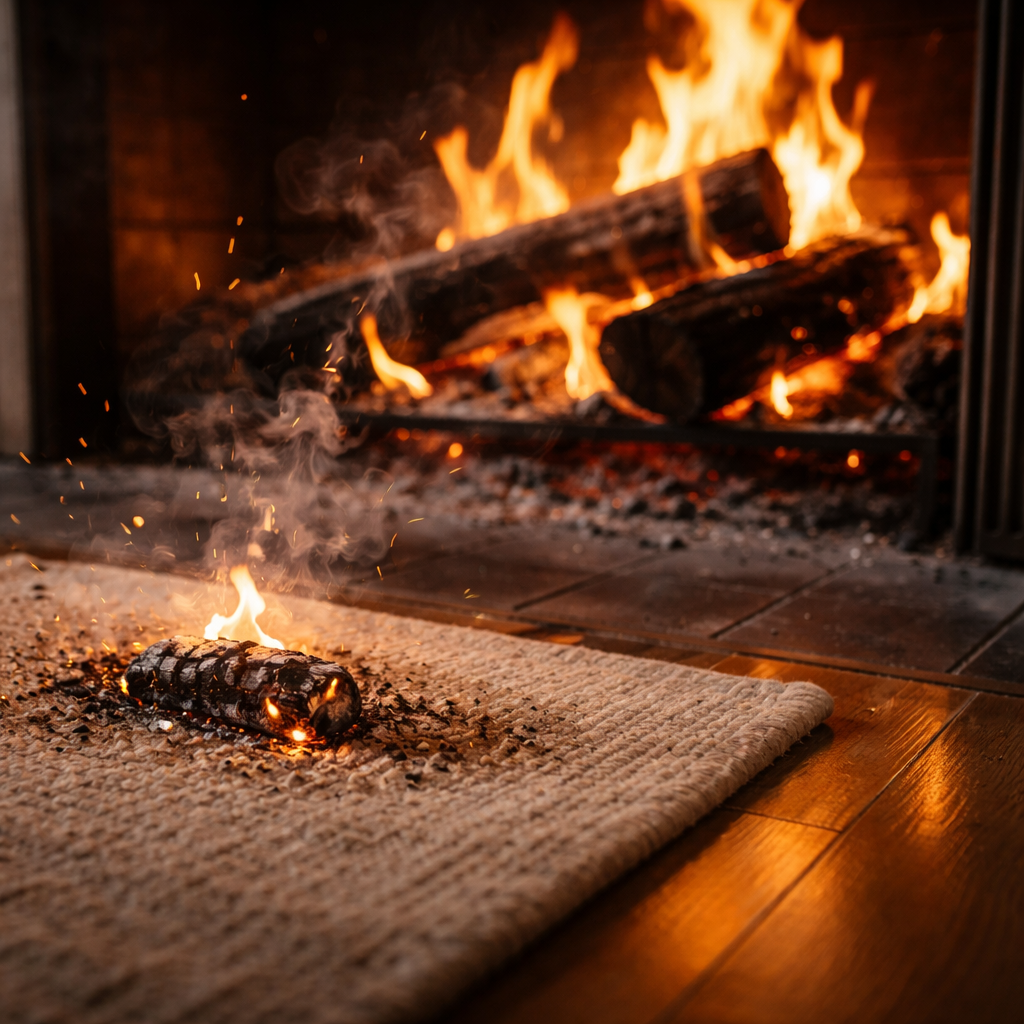
A burning fire isn’t a static, contained event. Wood burns unevenly, sap pockets within logs can cause sudden pops, and thermal expansion creates unpredictable bursts of ember activity. Without a fireplace screen or spark guard, those embers land directly on your flooring, rugs, or furniture — often without you noticing immediately.
The danger isn’t always dramatic. Sometimes it’s a smoldering ember that sits quietly on a wool rug for twenty minutes before igniting. Firefighters refer to this as delayed ignition, and it’s one of the trickiest scenarios to prevent because the fire often starts after people have left the room or gone to bed.
The real risks broken down clearly
Understanding the specific hazards helps you make an informed decision rather than a reactive one. Here’s what you’re actually dealing with when operating an open fireplace without a protective barrier:
- Flying sparks and hot embers that travel further than expected — sometimes up to 6 feet from the firebox opening
- Rolling logs that shift as they burn, potentially falling out of the firebox entirely
- Children and pets approaching the open flame without a physical barrier to stop them
- Carbon monoxide and smoke backdrafts that become more likely with an open front during wind fluctuations
- Accidental contact burns from getting too close when tending the fire
According to the U.S. Fire Administration, fireplaces and chimneys are among the leading causes of home heating fires, with a significant portion attributed to materials igniting from sparks or embers escaping the firebox.
Types of fireplace screens and what they actually do
Not all fireplace screens are created equal, and choosing the right type depends on how you use your fireplace. There’s a practical difference between decorative screens and functional spark guards, and conflating the two is a common mistake.
| Screen Type | Main Function | Best For |
|---|---|---|
| Mesh curtain screen | Blocks sparks and embers while allowing heat flow | Active fires with regular use |
| Solid glass door panel | Full closure, reduces air draft, improves efficiency | Gas and wood fireplaces both |
| Freestanding decorative screen | Aesthetic cover when fireplace is not in use | Cold fireplaces, decorative purposes only |
| Baby and pet safety gate screen | Physical barrier around the entire hearth area | Households with young children or animals |
If your goal is genuine fire safety, a mesh curtain or glass door panel is non-negotiable during active burning. A decorative freestanding screen offers zero protection against sparks — it’s worth knowing this distinction before making a purchase.
When people skip the screen — and why that logic falls apart
The most common reasons people use a fireplace without a screen come down to aesthetics, convenience, or simply not having one on hand. Some feel that the open flame looks better without a barrier. Others find screens cumbersome to remove when adding logs. These are understandable frustrations, but they don’t hold up against the practical consequences.
There’s also a false sense of security that comes from watching the fire attentively. The assumption is: “I’m right here, so if anything pops out, I’ll catch it.” The problem is that attention drifts, and a single distraction — a phone notification, a conversation, stepping into another room — is all it takes.
Gas fireplaces: a different conversation
Gas fireplaces introduce a slightly different dynamic. Since there’s no wood burning, the risk of flying sparks is essentially eliminated. However, the glass front of a gas fireplace gets extremely hot — surface temperatures can exceed 200°C (nearly 400°F) — which creates a serious burn hazard, particularly for children who don’t understand the danger.
For gas units, a safety barrier screen isn’t about spark protection — it’s about preventing contact burns. Many manufacturers now include or strongly recommend mesh barriers specifically designed for this purpose. The logic is the same: a physical separation between the heat source and the people sharing the room.
Fireplace safety beyond the screen itself
A screen is one layer of fireplace safety, not the entire system. Responsible fireplace use involves a handful of complementary habits that work alongside a good screen rather than replacing it:
- Have the chimney inspected and cleaned at least once a year to prevent creosote buildup, which is a leading cause of chimney fires
- Never burn treated wood, cardboard, or trash — these produce excessive sparks and toxic smoke
- Keep a working smoke detector and carbon monoxide alarm within range of the room
- Maintain a hearth rug or non-flammable floor covering in front of the firebox
- Never leave an active fire completely unattended, even with a screen in place
These aren’t overly cautious suggestions — they’re the baseline that fire safety organizations consistently recommend for wood-burning and gas fireplace use alike.
The bottom line on open fireplaces and your peace of mind
Using a fireplace without a screen is a choice that trades a small amount of convenience or visual openness for a measurably higher level of risk. For most households, that trade simply doesn’t make sense. A quality mesh screen or glass fireplace door costs a fraction of what fire damage would — and far less than the cost of a preventable injury.
If you already have a screen but rarely use it because it feels like a hassle, consider whether the current design actually fits your habits. The best fireplace screen is one you actually use consistently — not the most ornate one that stays propped against the wall. Find what works, keep it in place when the fire is burning, and enjoy the warmth with one less thing to worry about.
