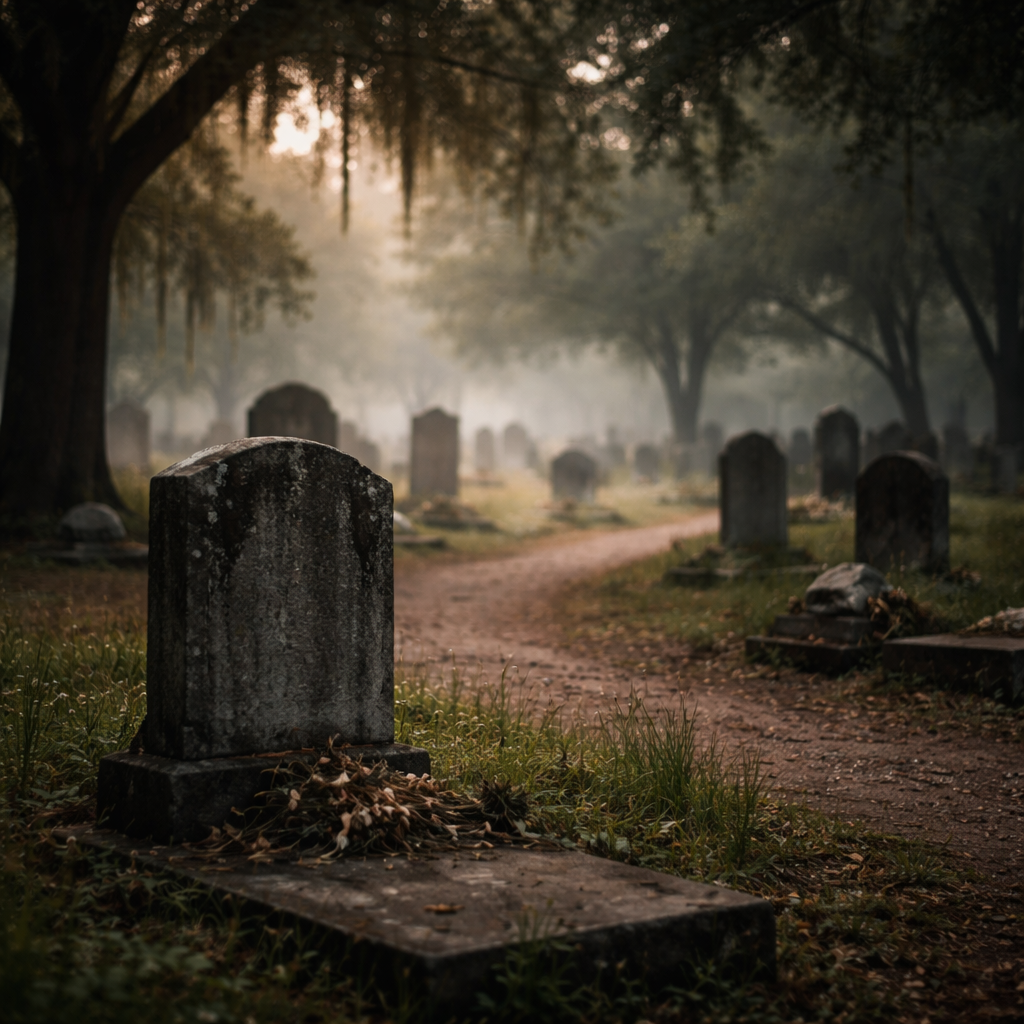
Most people wake up from a graveyard dream feeling uneasy — heart racing, thoughts spinning. But what does dreaming about a graveyard mean, really? Psychologists and dream researchers suggest these dreams rarely signal something ominous. More often, they reflect emotional processing, unresolved feelings, or significant life transitions happening beneath the surface of your waking mind.
Why graveyards appear in dreams at all
The human brain doesn’t rest when the body does. During sleep, it actively sorts through memories, emotions, and unprocessed experiences. Graveyards, as symbols deeply embedded in collective culture, carry strong associations — endings, loss, memory, and the passage of time. When your mind reaches for a powerful backdrop to process something emotionally weighty, a cemetery becomes an almost natural choice.
Dream symbolism isn’t universal, though. Cultural background plays a significant role in how graveyard imagery gets interpreted. In many Western traditions, cemeteries are places of grief and finality. In some Latin American and African cultures, they’re spaces of ongoing connection with ancestors — celebratory, even sacred. Your personal history with loss and burial customs will shape what this symbol means specifically for you.
Common graveyard dream scenarios and what they may reflect
The details of the dream matter enormously. Walking calmly through a cemetery carries a very different psychological weight than being chased through one at night. Below are some of the most frequently reported scenarios and their commonly associated interpretations based on dream analysis literature.
| Dream scenario | Possible psychological meaning |
|---|---|
| Walking peacefully through a graveyard | Acceptance of change, reflection on past relationships or phases of life |
| Feeling lost or trapped in a cemetery | Unresolved grief, feeling stuck in a past situation or relationship |
| Seeing your own grave | Fear of failure, anxiety about identity, or a need for personal transformation |
| Visiting a known person’s grave | Processing grief, longing for connection, or unfinished emotional business |
| Fresh graves or new burials | Endings in waking life — jobs, relationships, habits — that feel raw or recent |
| A bright, peaceful cemetery in daylight | Emotional resolution, moving forward, coming to terms with something difficult |
None of these interpretations are fixed truths. They’re lenses, not diagnoses. The goal of exploring dream symbolism is to open a conversation with yourself — not to find a definitive answer stamped in stone.
The link between graveyard dreams and life transitions
One of the most consistent findings in dream psychology is that cemetery dreams tend to cluster around major life changes. Divorce, career shifts, moving to a new city, losing someone close — all of these push the mind to confront the concept of endings. And in the language of dreams, endings are often literalized as death or burial.
“Dreams of death and graveyards are among the most misunderstood. They almost never predict actual death — instead, they tend to symbolize transformation and the closing of one chapter before another begins.”
— Common interpretation in contemporary dream psychology literature
This is why many people report graveyard dreams during periods of intense personal growth. The psyche registers change as a kind of loss — even when that change is ultimately positive. Starting a new relationship, for example, means letting go of a previous version of yourself. The subconscious mind may frame that shift in the imagery of burial and memorial.
When the dream involves someone you know
Dreaming of a specific person in a graveyard — whether they’re living or deceased — tends to carry its own set of layers. If the person is someone who has passed away, the dream is often part of a natural grief process. The mind revisits them in symbolic spaces as it works through memory and loss.
If the person is still alive, it doesn’t mean anything harmful will happen to them. More commonly, it signals that your relationship with that person — or your perception of them — is undergoing a shift. Perhaps trust has been broken, a friendship has drifted, or you’re subconsciously processing a change in how you feel about them.
Recurring graveyard dreams: when to pay closer attention
A one-off cemetery dream is usually nothing to dwell on. But if graveyard imagery keeps returning night after night, it may be worth examining what emotional territory remains unaddressed. Recurring dreams are often the mind’s way of circling back to something it hasn’t yet fully processed.
Recurring dreams related to death symbolism have been associated in research with:
- Prolonged grief that hasn’t had a healthy outlet
- Chronic anxiety around mortality — your own or others’
- Feelings of being emotionally “stuck” or unable to move forward
- Deep ambivalence about a major life decision
- Unspoken things left unsaid to someone important
If any of these resonate, the dream itself isn’t the problem — it’s pointing toward something that deserves attention. Speaking with a therapist, particularly one familiar with grief or cognitive approaches to dreamwork, can provide genuine clarity.
What your emotional state inside the dream is actually telling you
Here’s something many people overlook: the emotion you feel during the dream often matters more than the imagery itself. Two people can dream of an identical graveyard scene and have completely opposite emotional experiences — one feels peaceful, the other terrified. Those emotional textures are the real data.
Ask yourself honestly:
- Did I feel afraid, or was there an unexpected sense of calm?
- Was I alone, or were others present — and how did that feel?
- Did I feel like a visitor, or like I belonged there?
- Was the atmosphere dark and threatening, or quiet and still?
These questions won’t give you a neat explanation, but they’ll help you understand what emotional register the dream is operating in — and that’s usually where the personal meaning lives.
Graveyard dreams aren’t warnings — they’re conversations
The most useful shift in perspective is moving away from the idea that graveyard dreams are omens or predictions. Modern psychology doesn’t support the notion that dreams foretell events. What they do, consistently and reliably, is reflect the inner world of the dreamer — fears, hopes, unfinished business, and quiet transformations happening just out of conscious view.
If you’ve been wondering about the meaning of cemetery dreams in your own life, the most productive approach isn’t to search for a universal answer. It’s to sit with what’s actually changing, ending, or being mourned in your waking world right now — and let the dream be part of that honest conversation with yourself.
