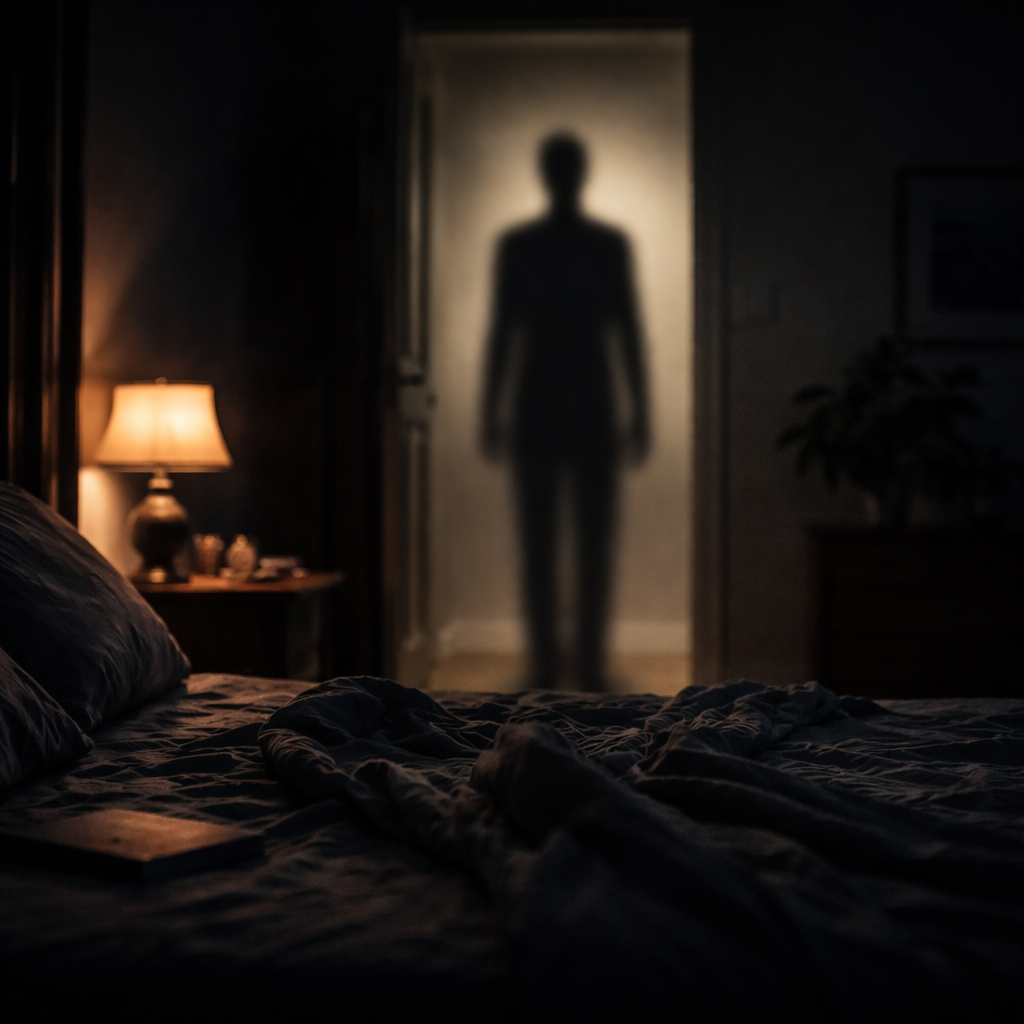
Shadow figures appearing in dreams tend to leave a strange impression that lingers well into the morning — and if you’ve ever woken up wondering what does dreaming about a shadow mean, you’re far from alone. These encounters sit somewhere between unsettling and fascinating, and dream researchers, psychologists, and Jungian analysts have spent decades unpacking exactly why the human mind conjures these dark, shapeless presences during sleep.
The shadow in psychology: where dreams and the unconscious meet
Carl Jung gave the shadow its most enduring definition in psychological literature. For Jung, the shadow represents the parts of the personality that a person refuses to acknowledge — suppressed emotions, hidden desires, unresolved fears, and traits that don’t align with a person’s self-image. When this material has nowhere to go during waking hours, it often surfaces at night in the form of symbolic imagery, and a shadowy figure is one of the most common ways it appears.
This doesn’t mean shadow dreams are always negative. In many cases, encountering a shadow in a dream signals that the subconscious is actively trying to communicate something important — something the waking mind has been avoiding. Think of it less as a warning and more as an internal nudge.
What the shadow actually looks like in dreams — and why it matters
Not all shadow dreams are created equal. The form a shadow takes, how it behaves, and how the dreamer responds to it all carry distinct interpretations. Here’s a breakdown of the most commonly reported shadow dream scenarios:
| Shadow scenario | Possible psychological meaning |
|---|---|
| A shadow chasing you | Avoidance of a problem, emotion, or responsibility in waking life |
| A shadow standing still and watching | A part of yourself observing from the outside — self-awareness in development |
| A shadow that speaks to you | The unconscious attempting direct communication; often tied to unresolved inner conflict |
| Becoming a shadow yourself | Loss of identity, feeling invisible or overlooked in daily life |
| A shadow protecting you | Reconnection with a repressed strength or personal power |
The emotional tone of the dream matters just as much as what you see. Fear, curiosity, calm acceptance — these reactions shape the interpretation significantly more than the shadow’s appearance alone.
Common triggers behind shadow dreams
Dreams about shadows rarely appear out of nowhere. Several real-life factors are consistently linked to this type of dream imagery:
- Periods of significant personal change or transition — new job, end of a relationship, relocation
- Suppressed anger or grief that hasn’t been processed consciously
- High levels of chronic stress or emotional exhaustion
- Exposure to content that deals with fear, mortality, or the unknown before sleep
- Engaging in deep introspective work, such as therapy or journaling
Interestingly, people who are actively working on self-development often report more frequent shadow dreams — not because something is wrong, but because the inner work stirs up material that needs to be processed.
“The shadow is not a problem to be solved. It is a life to be lived.” — Marie-Louise von Franz, Jungian analyst
Shadow dreams across different cultural interpretations
